

Before we begin, don't forget to subscribe to my YouTube channel HERE . It will be a great motivation for me to continue creating more engaging content. Thank you for your support.
Kyoto, the ancient capital of Japan for over a thousand years, has long been associated with historic temples, traditional shrines, and the graceful beauty of the kimono. However, as one of Japan’s most popular tourist destinations, its most iconic spots are often crowded, making it challenging to capture stunning photos.
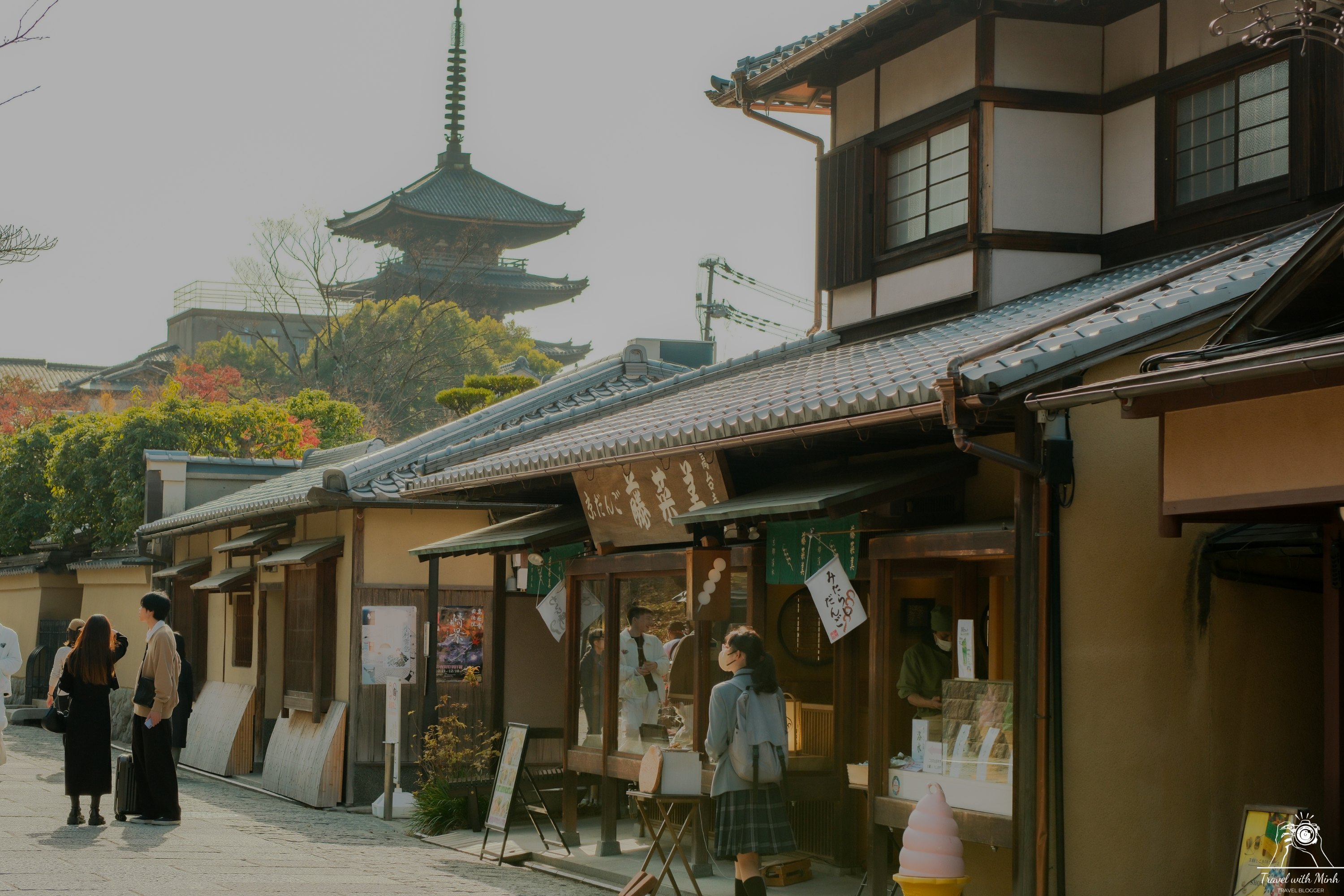
In today’s article, I’ll be sharing a selection of kimono photography spots that not only feature Kyoto’s iconic architecture but also offer a more peaceful and less crowded atmosphere. Let’s get started!
- Gojo-dori Street.
This street also leads to the famous Kiyomizu-dera Temple, but since most tourists take the more popular Ninen-zaka and Sannen-zaka routes, Gojo-dori stays pretty quiet—a perfect place for some peaceful kimono shots.
Address: Gojo-Dori Street Google Map
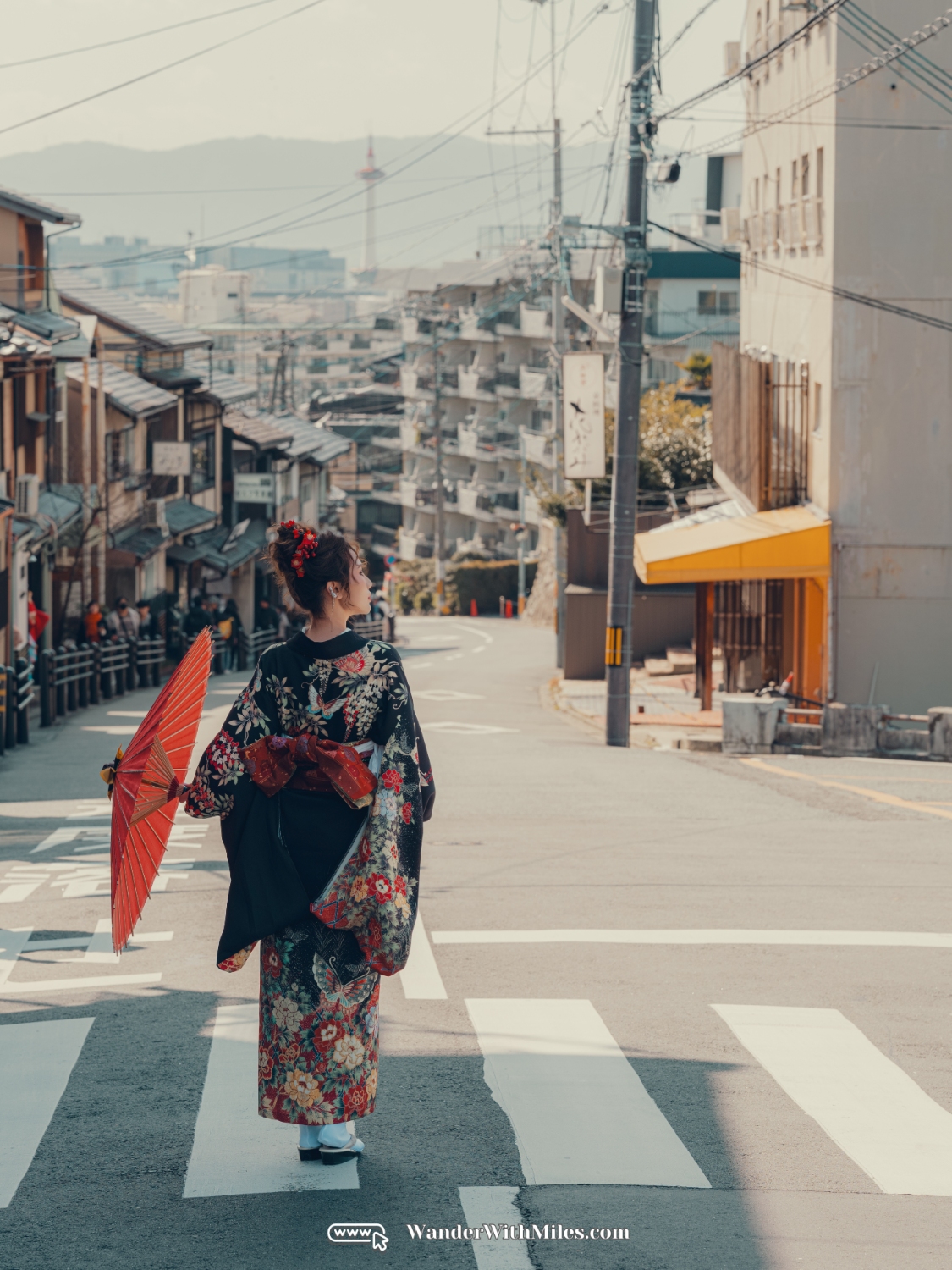
Gojo-dori is lined with traditional restaurants, eateries, and souvenir shops, all preserving their historic charm—making it a picturesque backdrop for traditional kimono attire.
2. Ishin-no-michi
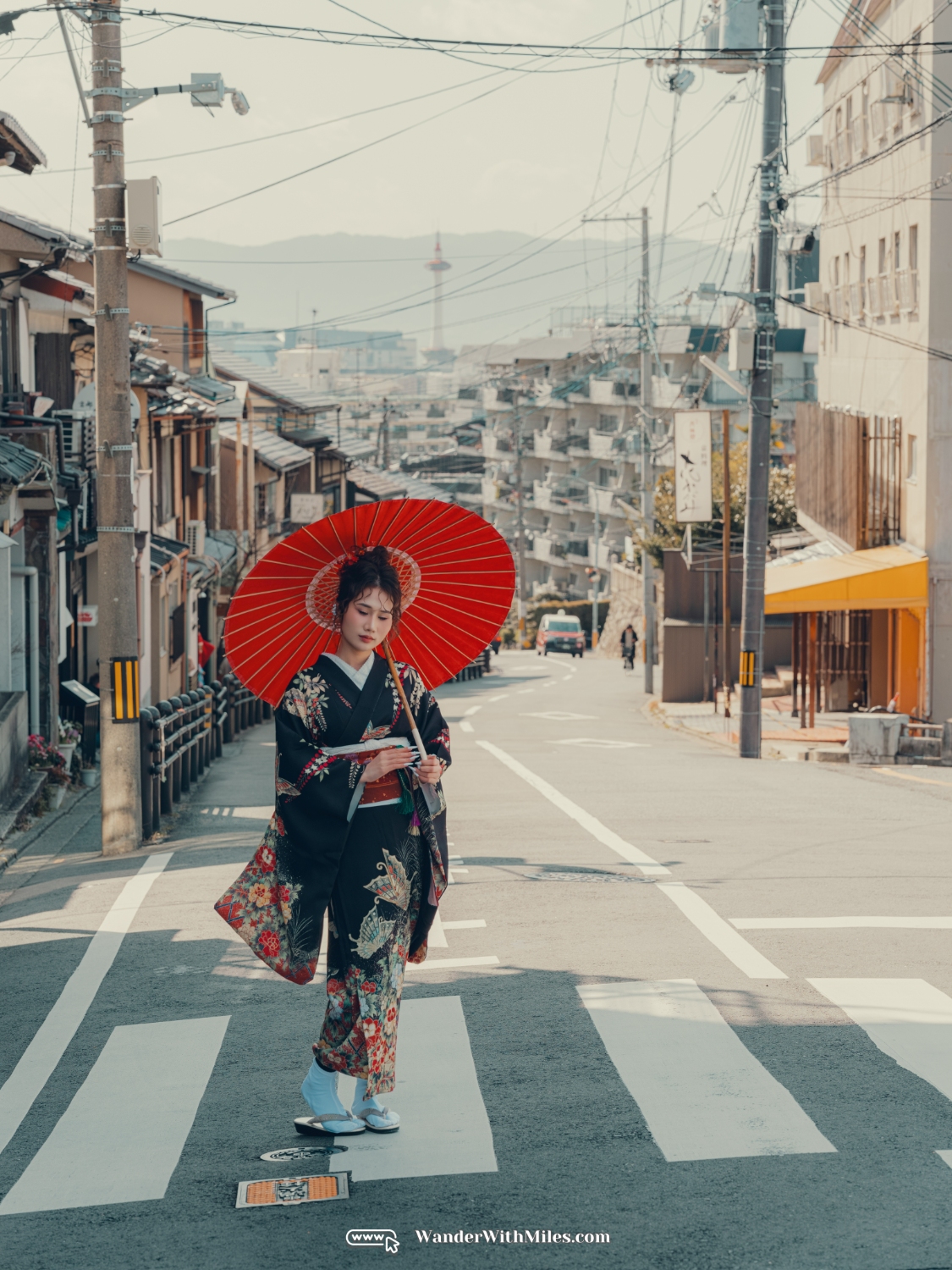
Ishin-no-michi runs alongside the well-known Sannen-zaka, but unlike its crowded neighbor, this street is incredibly quiet. I spent around half an hour taking photos here, and barely anyone passed by—it was like having the whole place to myself.
Address: Ishin-no-michi Google Map
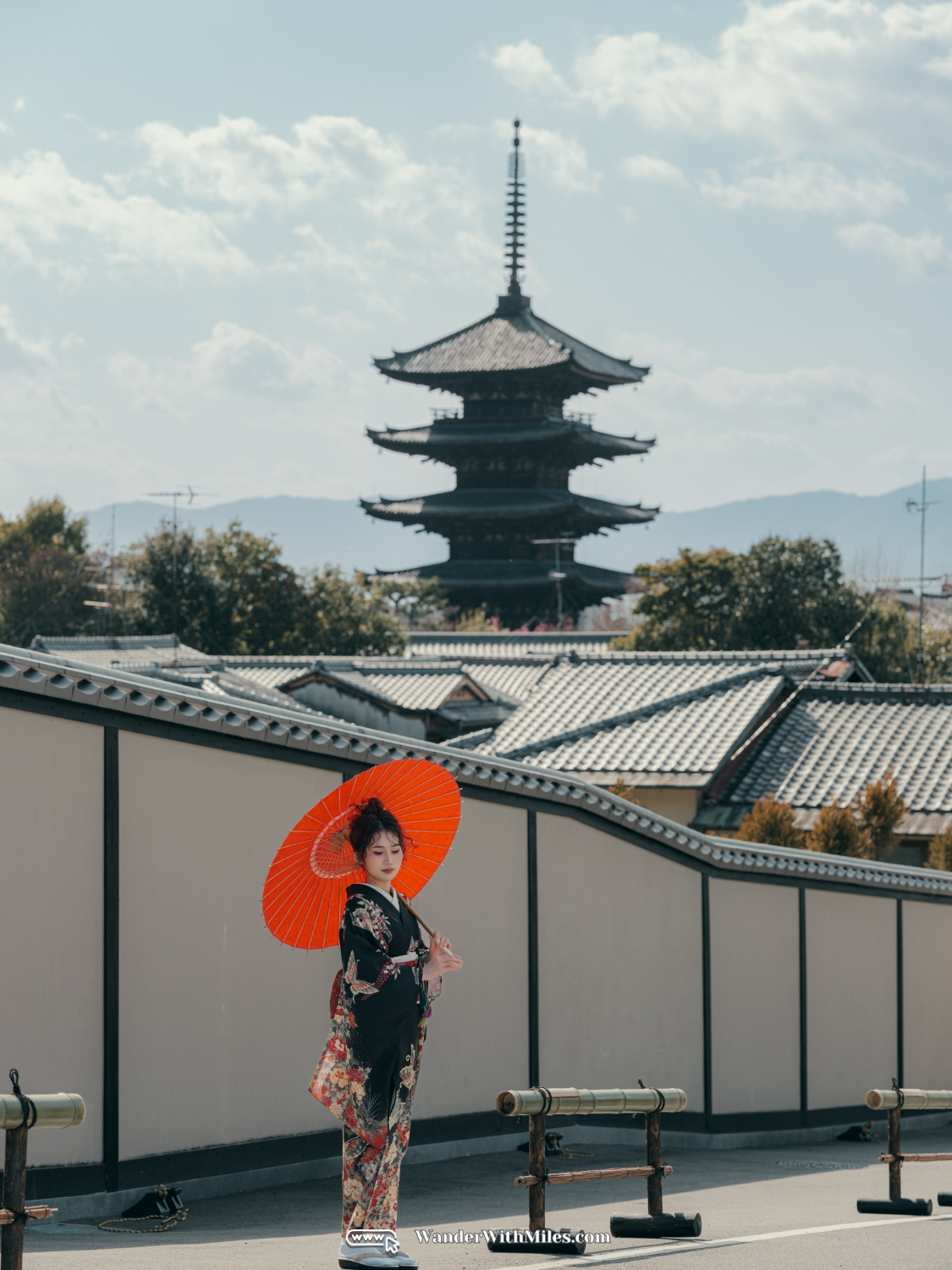
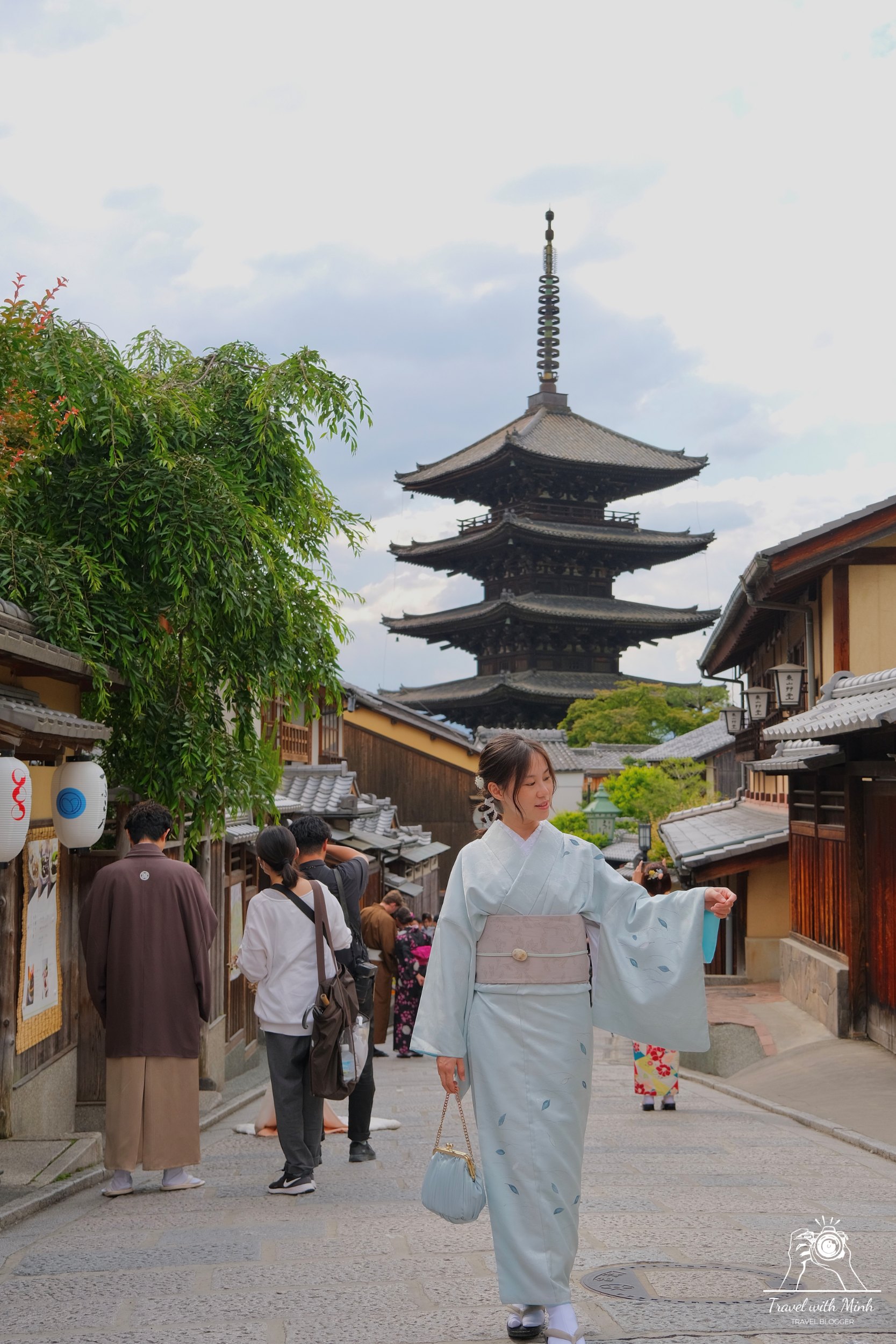
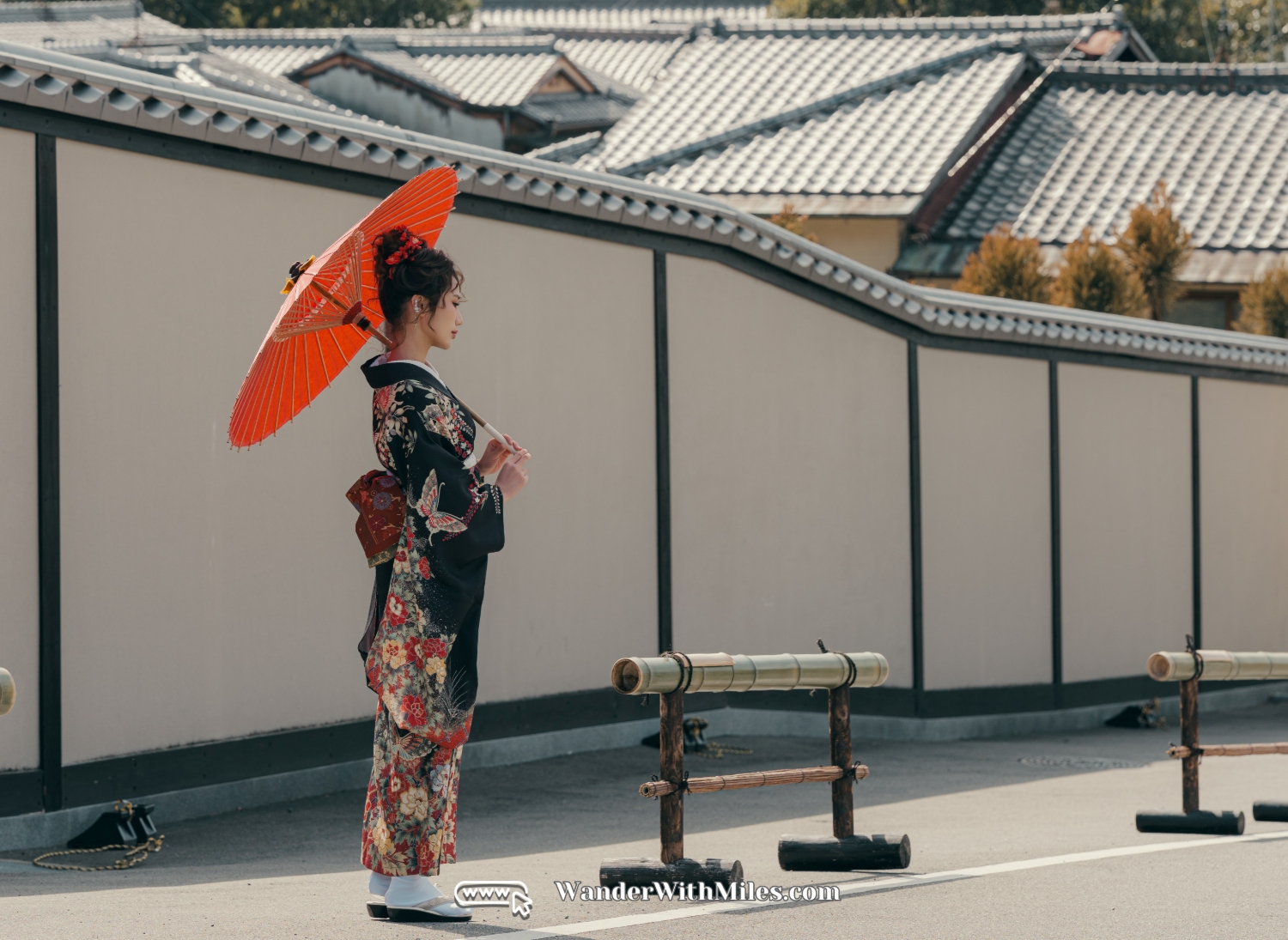
It’s easy to see why Ishin-no-michi doesn’t draw big crowds—unlike Ninen-zaka or Sannen-zaka, it’s not lined with busy shops or cafés. Yet, it’s this very tranquility, combined with the surrounding historic architecture, that makes it a hidden gem for kimono photography.
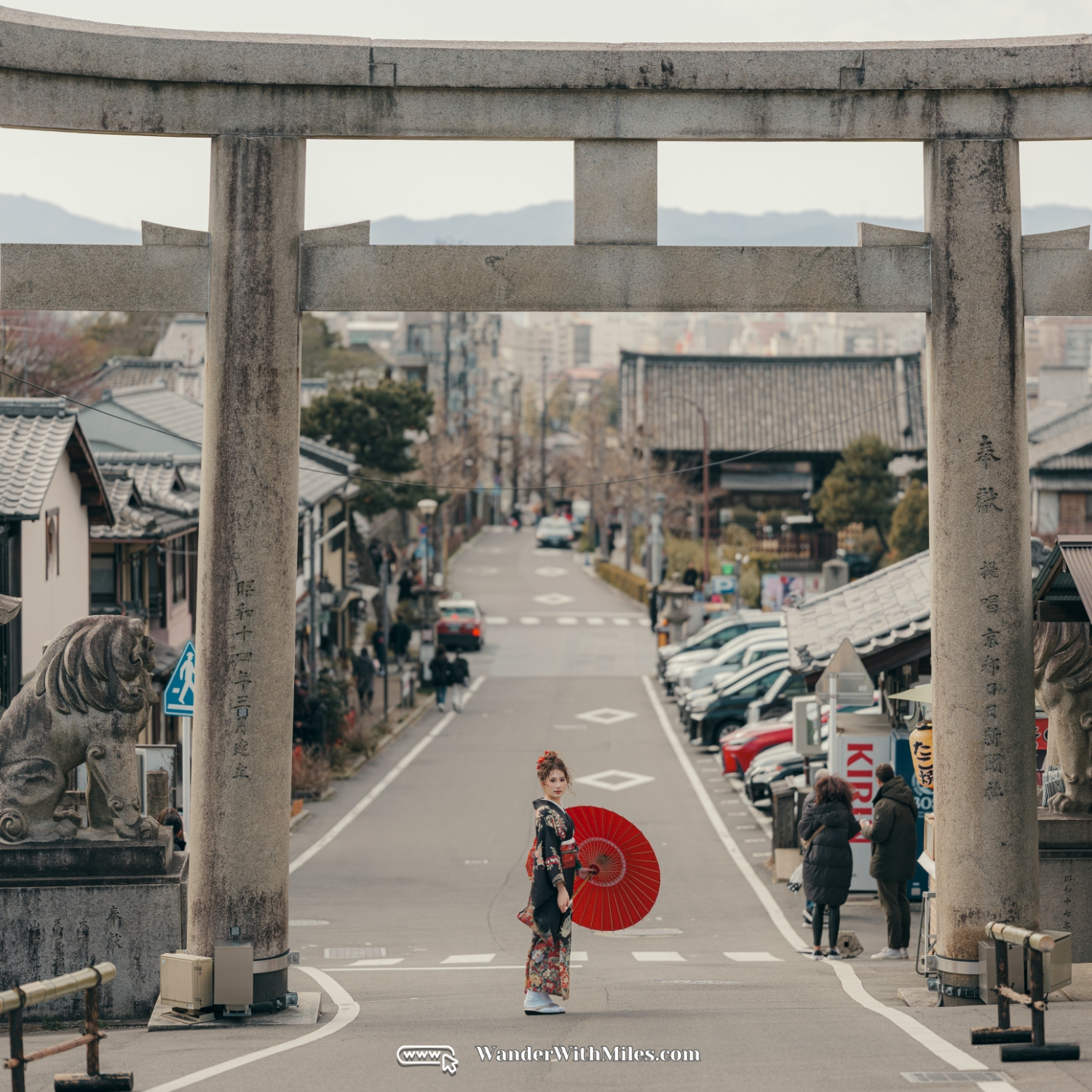
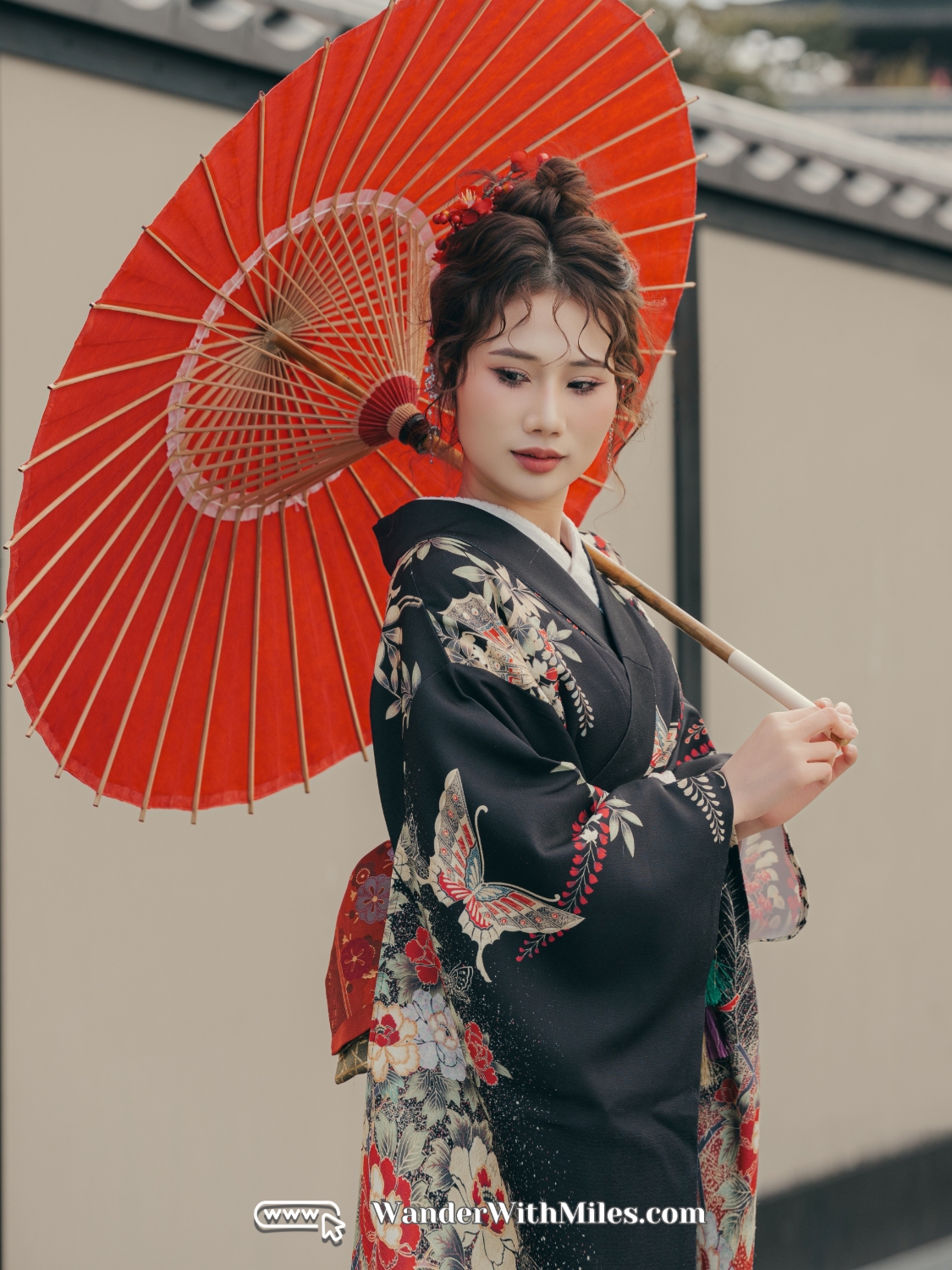
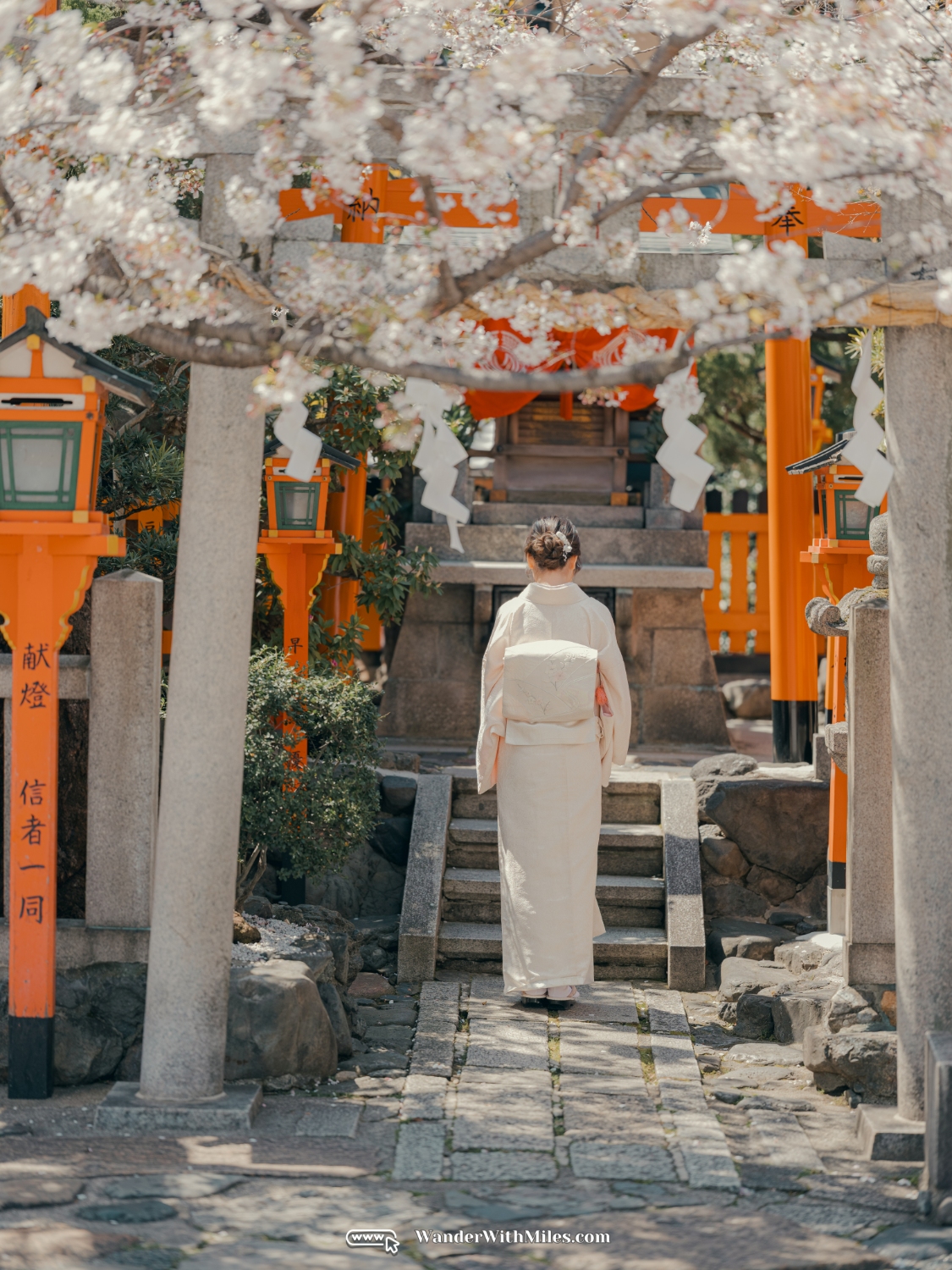
As you walk along Ishin-no-michi, you’ll come across a giant Torii gate standing prominently in the middle of the street. It serves as a stunning, traditional backdrop for kimono photos and is one of my favorite photo spots in the area.
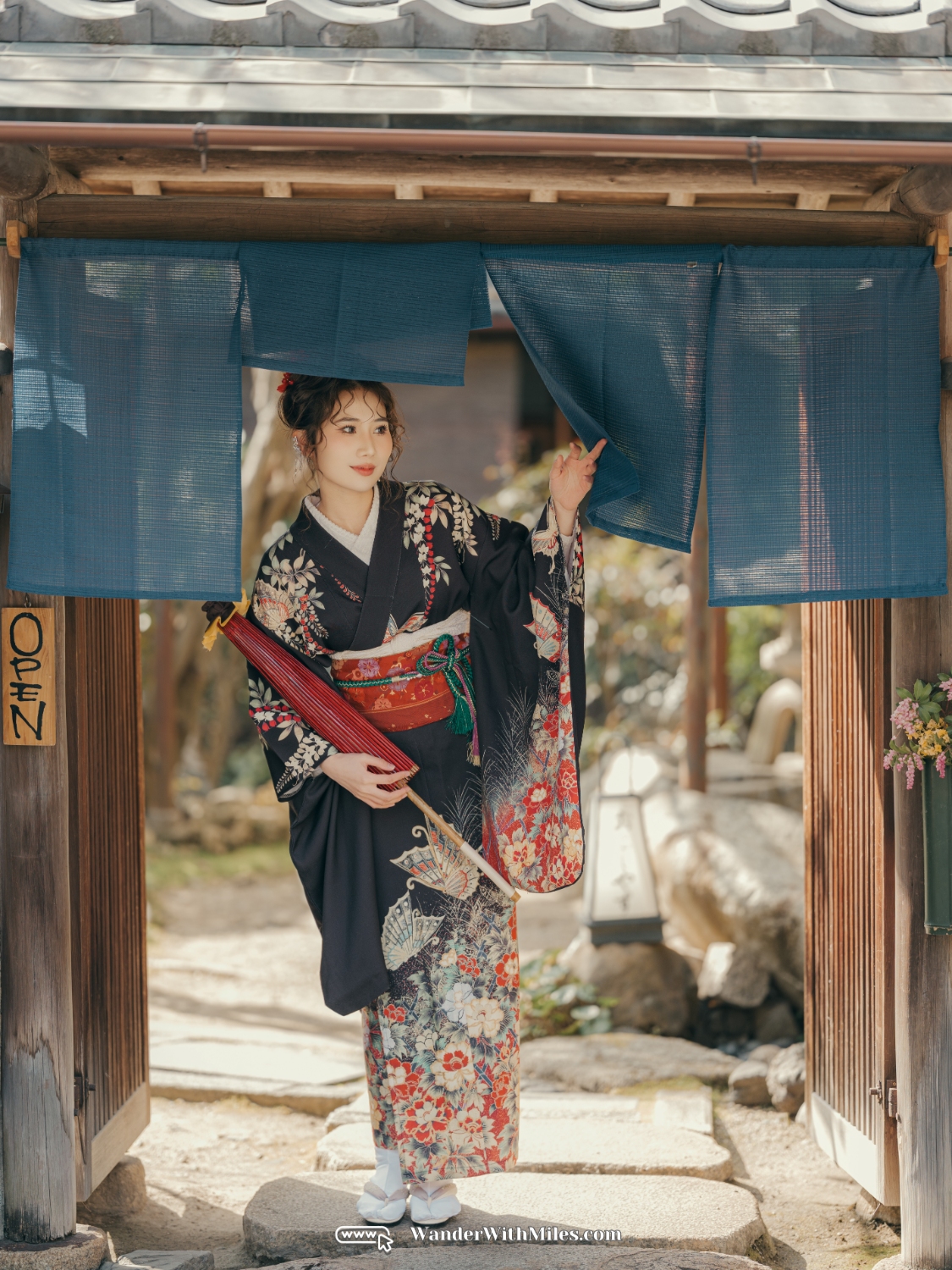
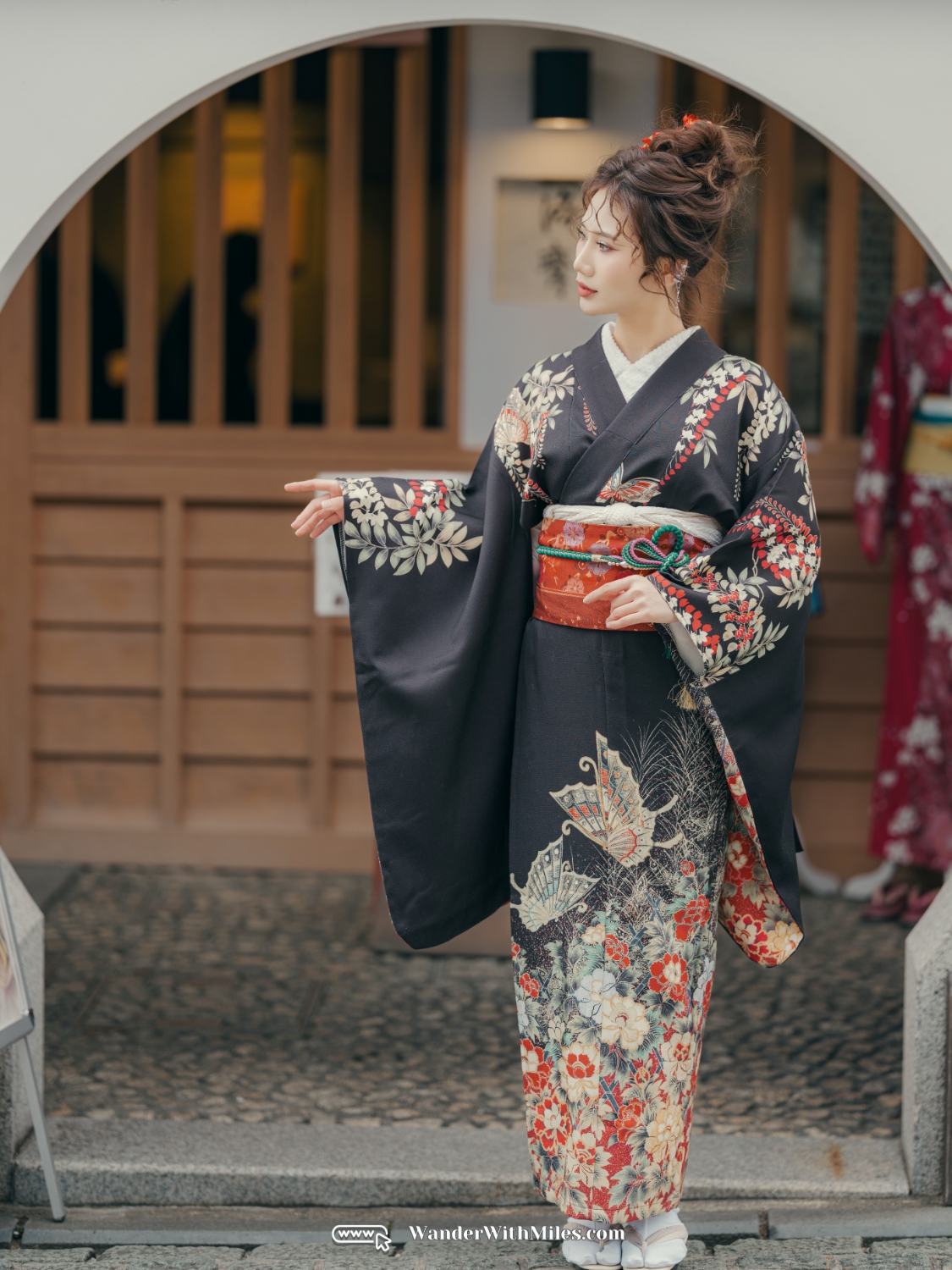
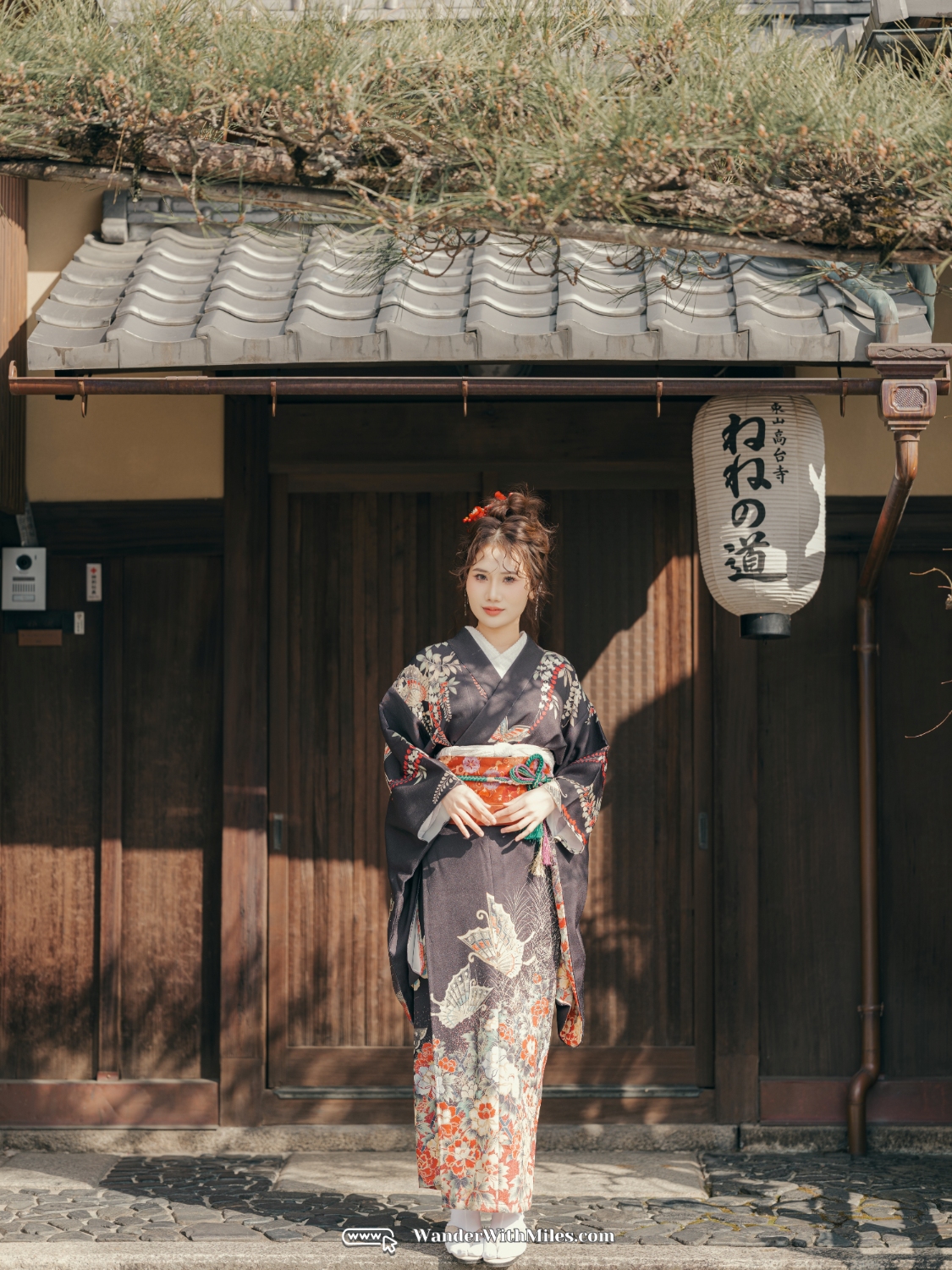
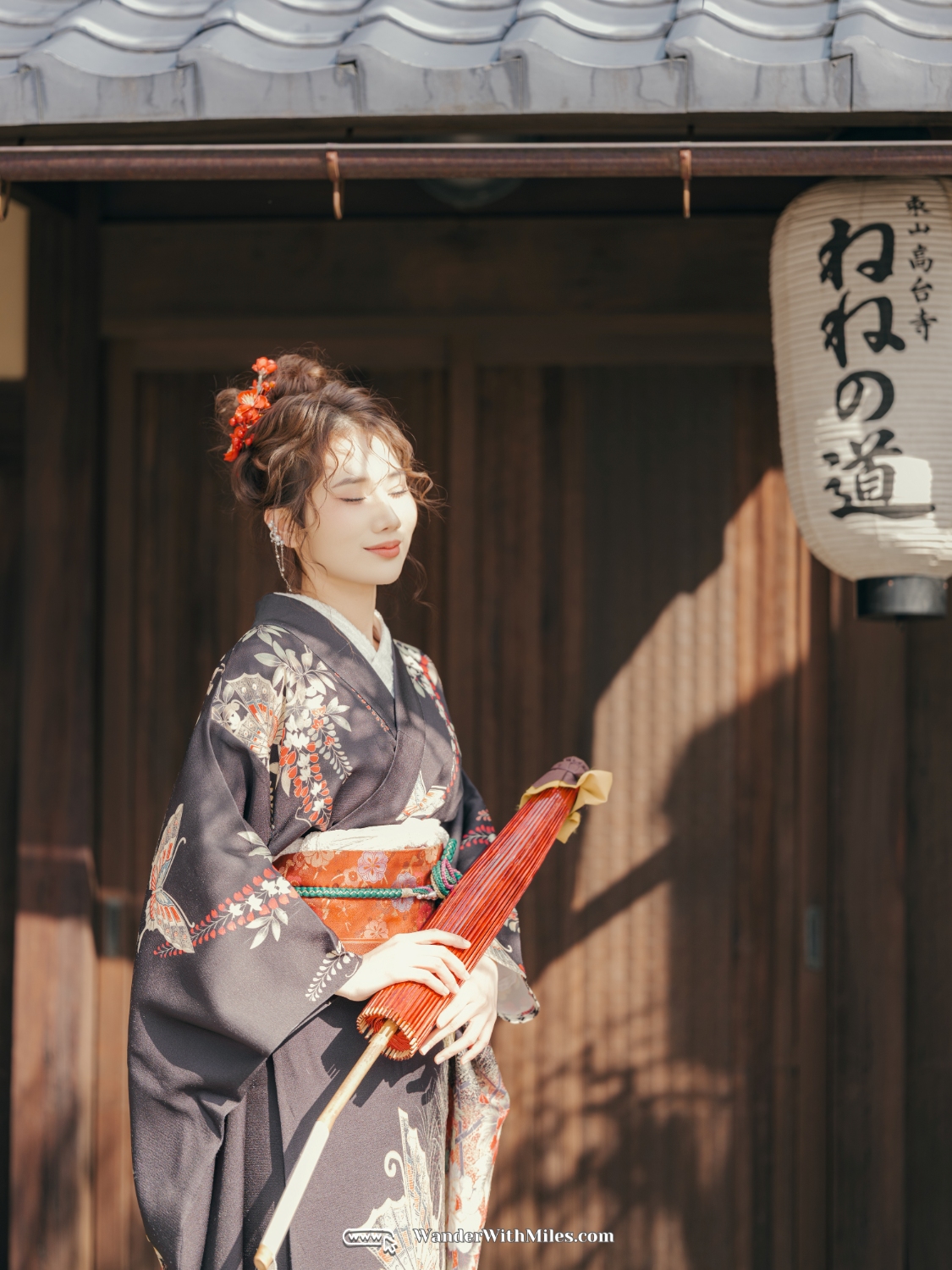
3. Nene-no-michi
Nene-no-michi is a historic street that connects two of Kyoto’s most iconic landmarks—Ninen-zaka Street and Yasaka Shrine.
Address: Nene-no-michi Google Map
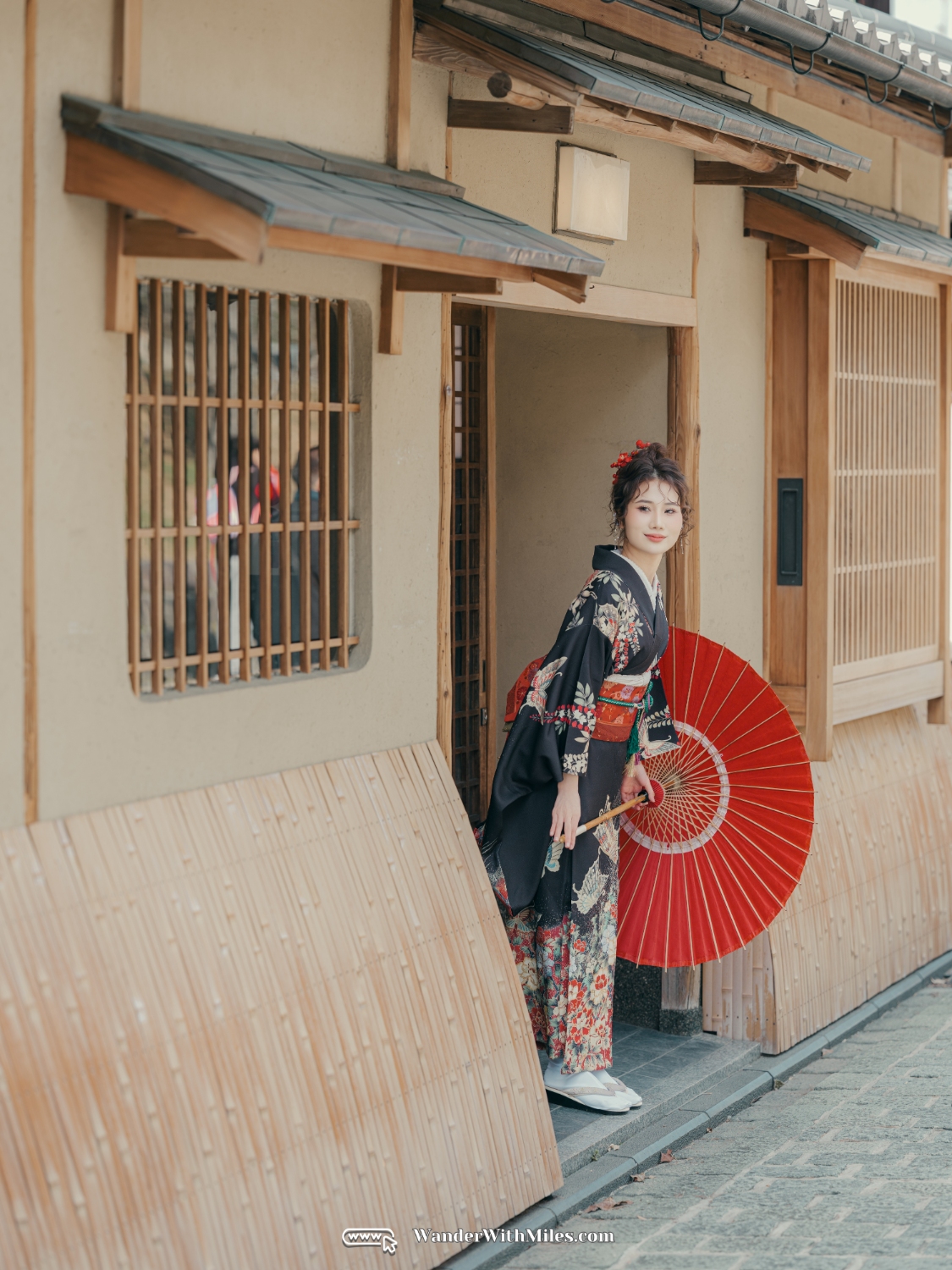
Lining the street are traditional restaurants and souvenir shops housed in classic Japanese architecture. Strangely enough, this area remains relatively quiet and uncrowded—making it an ideal location for those looking to capture kimono photos with a backdrop of historic Japanese townhouses.
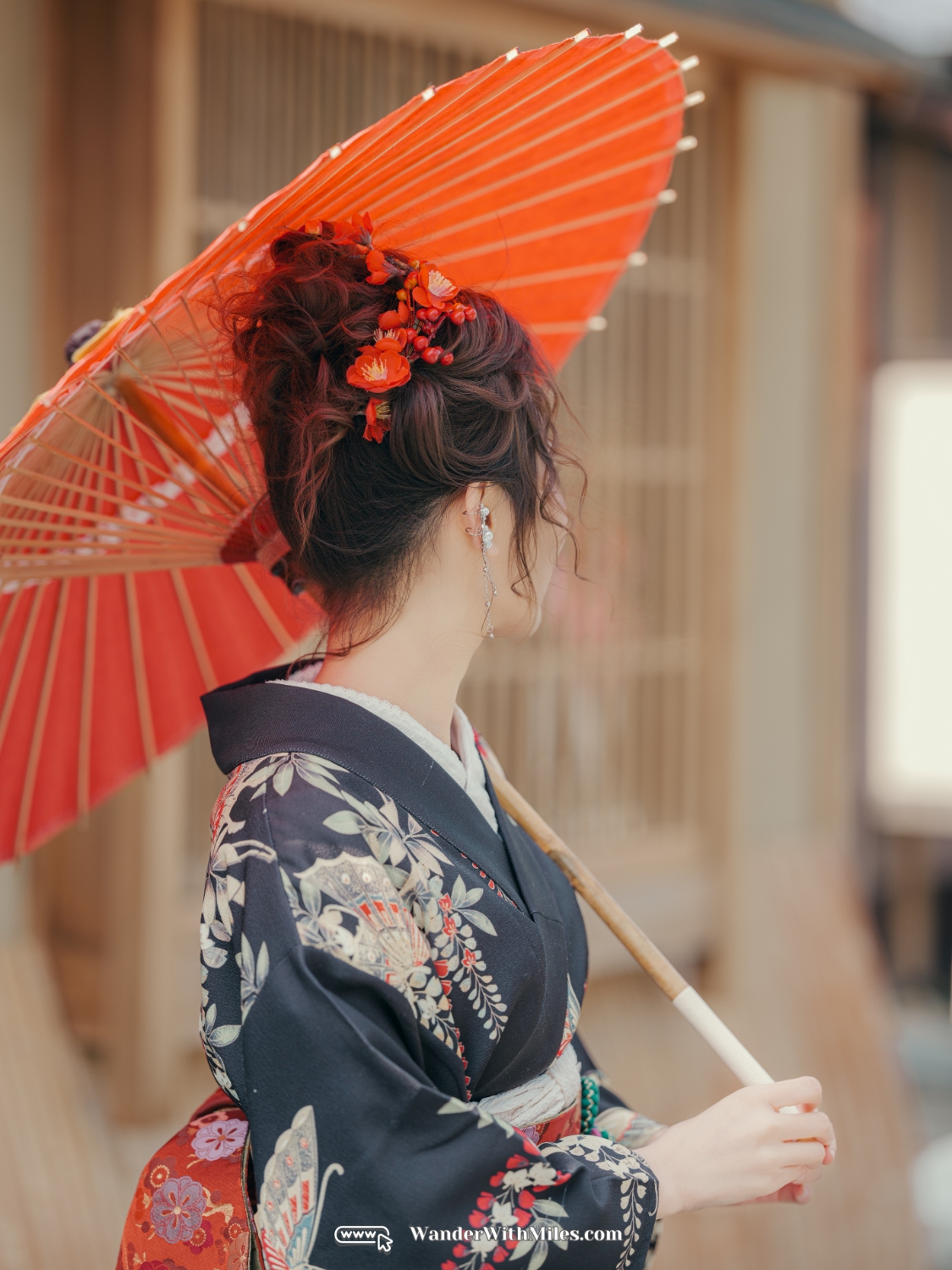
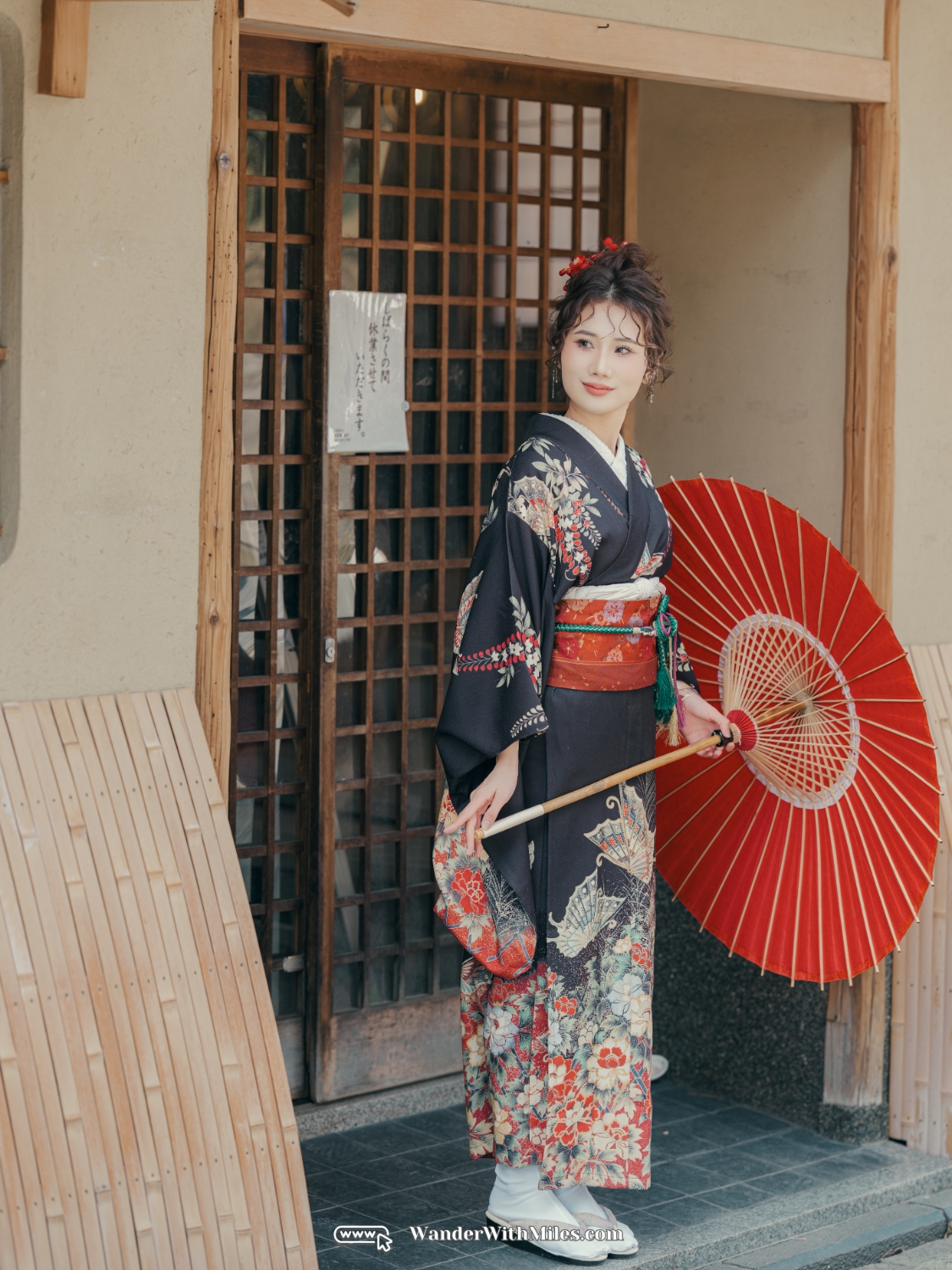
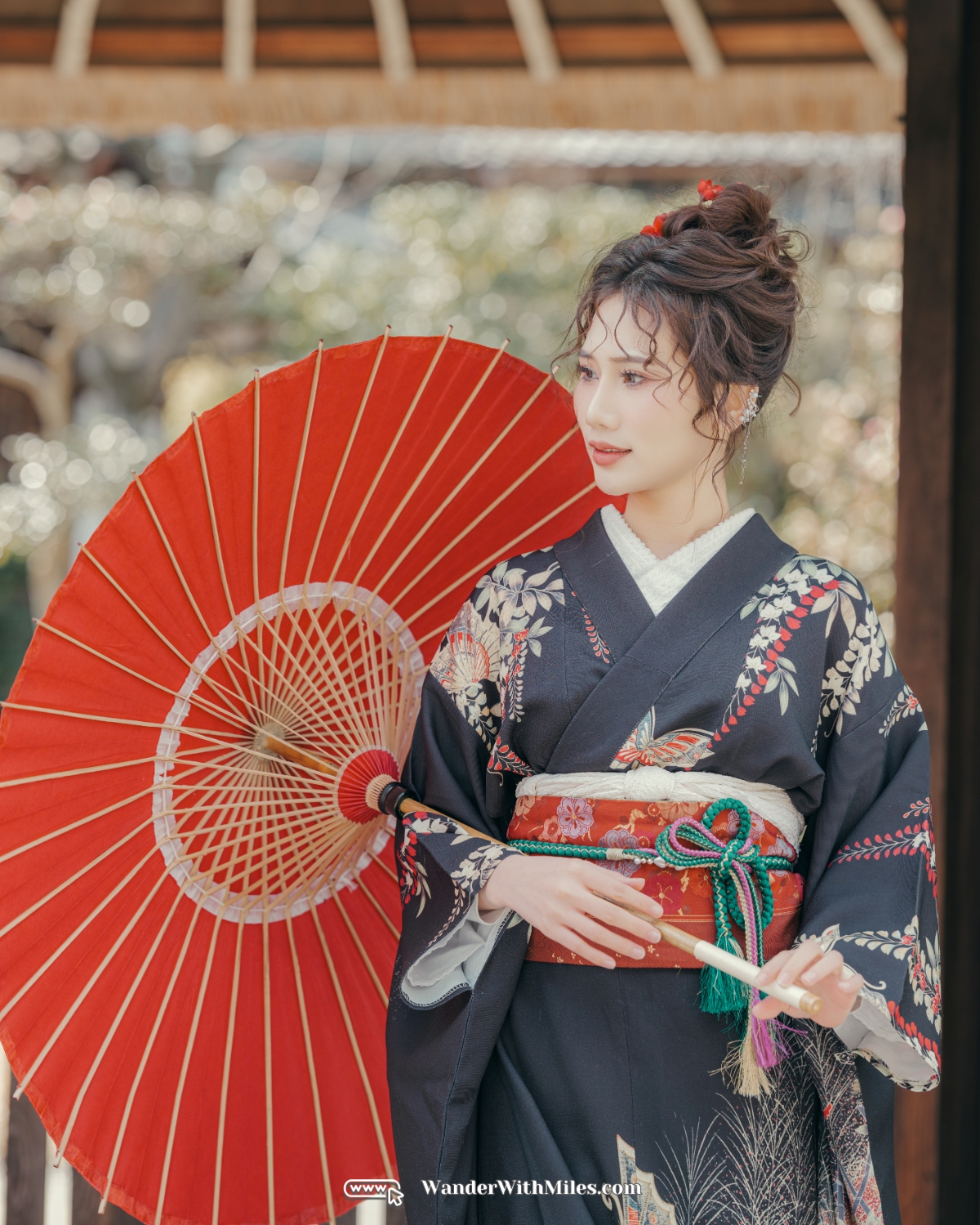
You can also stop by one of the restaurants along the street for lunch or a quick break before continuing your kimono photoshoot at the next locations.
Here are a couple of recommended spots worth checking out:
- Hagi Charyo: Address: Google Map
- Kyoto Cuisine Kodaiji Hashiba: Address: Google Map
4. Washiocho
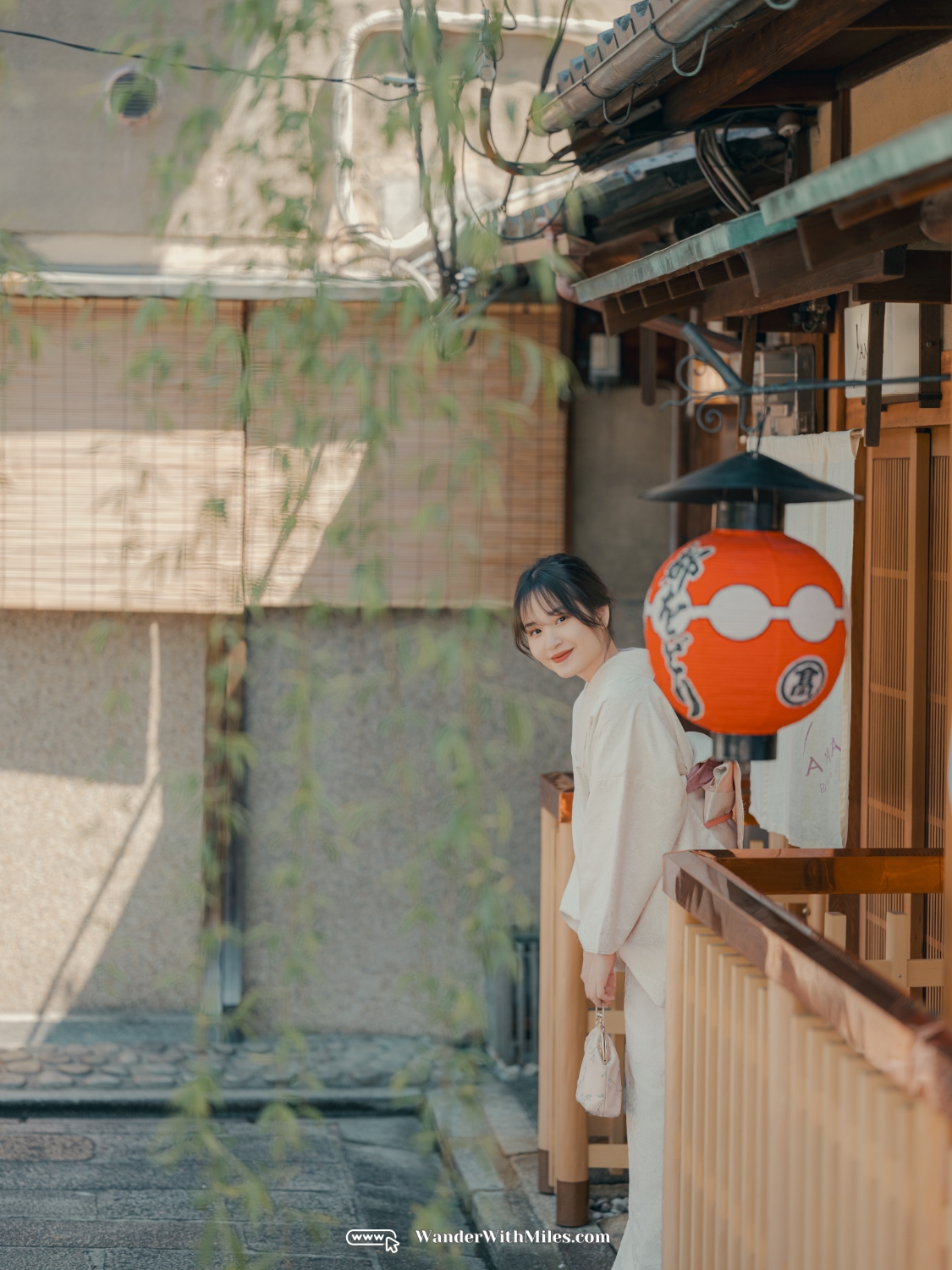
Washiocho is a small alleyway located at the end of Nene-no-michi, home to several traditional ryokan (Japanese inns) and charming cafés that reflect the timeless atmosphere of Kyoto’s former capital.
Address: Washiocho – Google Map
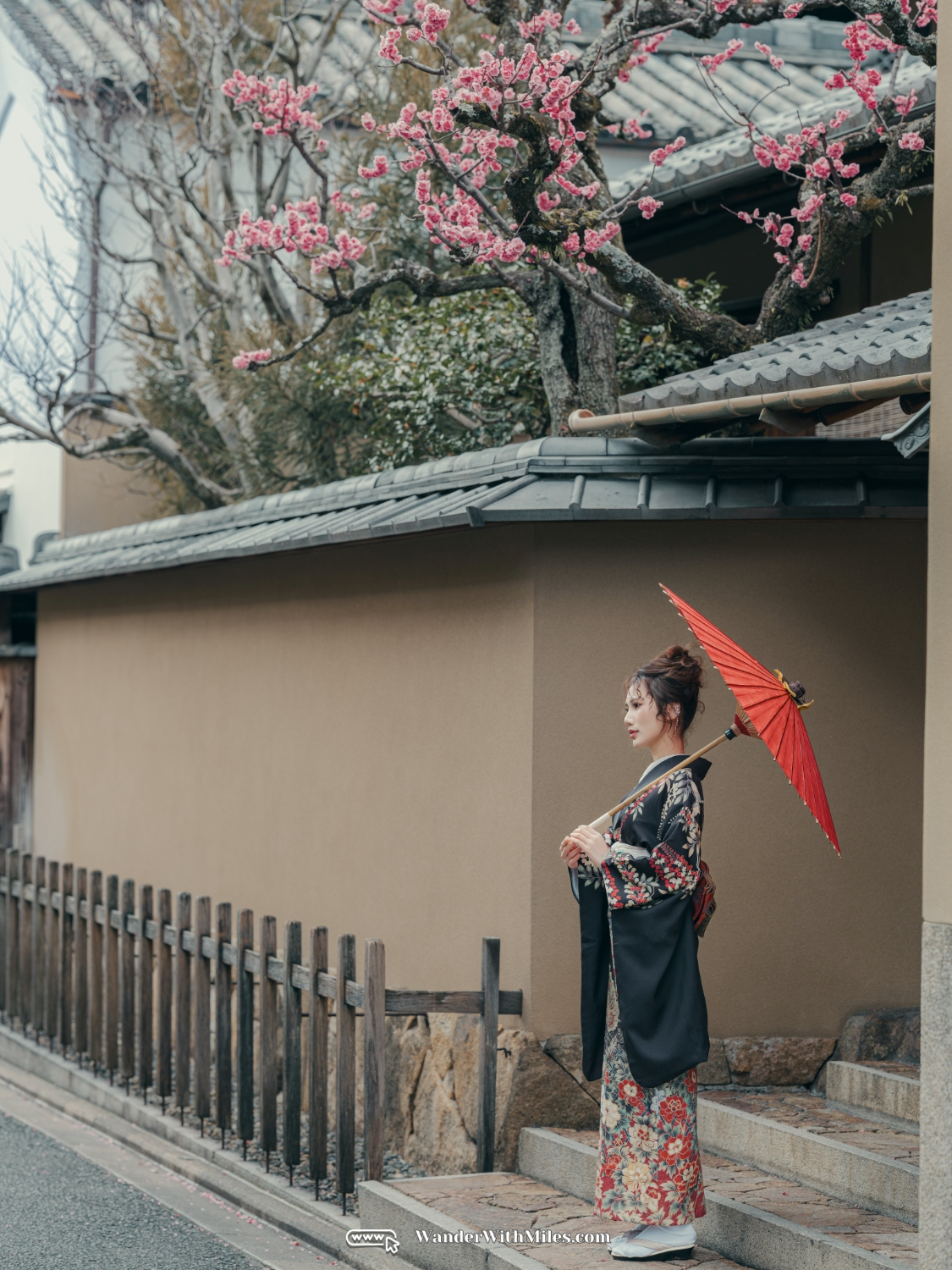
At the end of the alley, there’s a studio that offers professional Maiko and Geisha-style makeover services, along with photoshoots. If you’re interested, you can walk in for a session or book in advance to better manage your time: Reservation – Maiko Experience Specialty Store Kyoto Gion Aya -GION AYA-
5. Shimokawara-cho
Address: Google Map
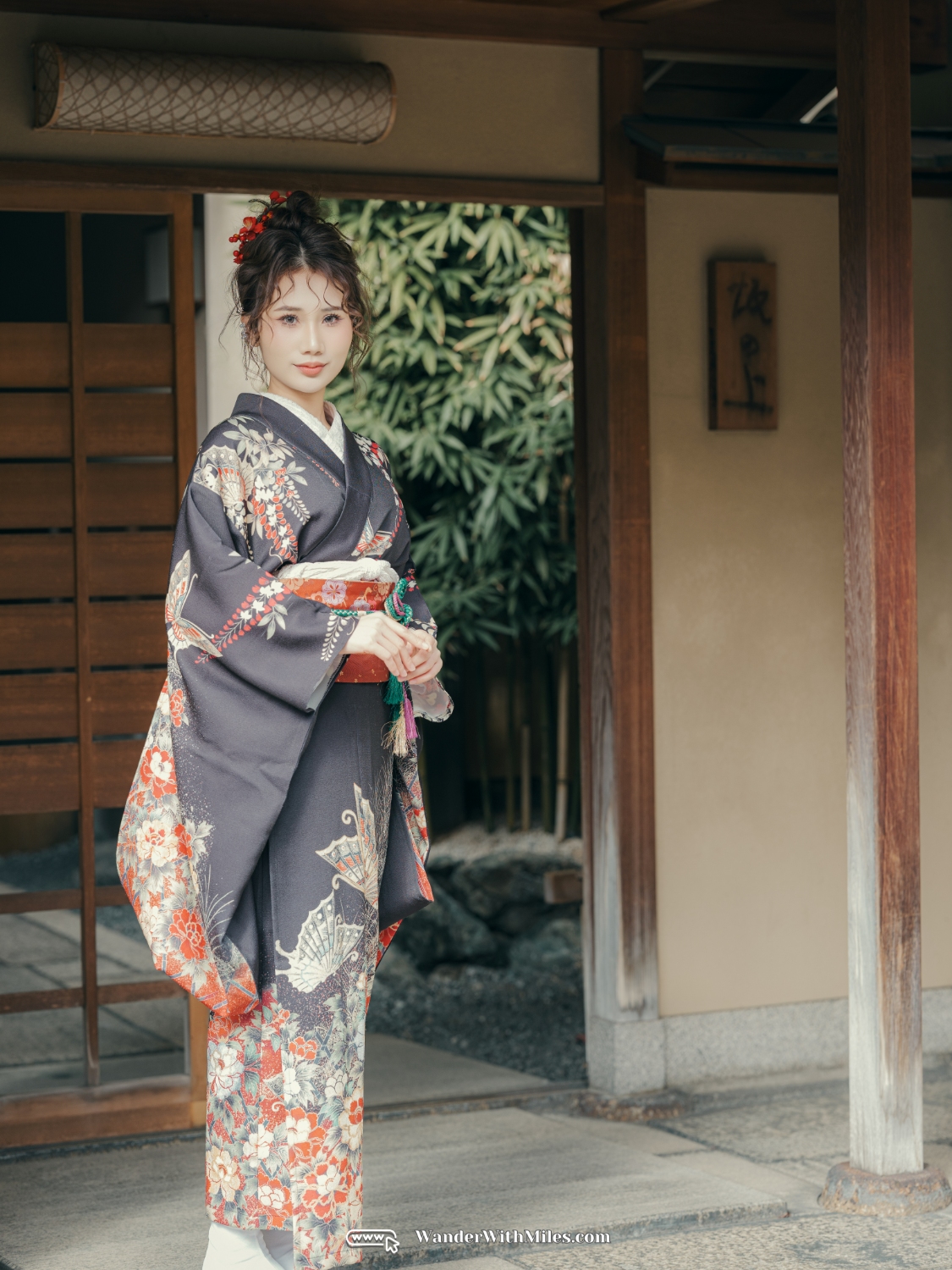
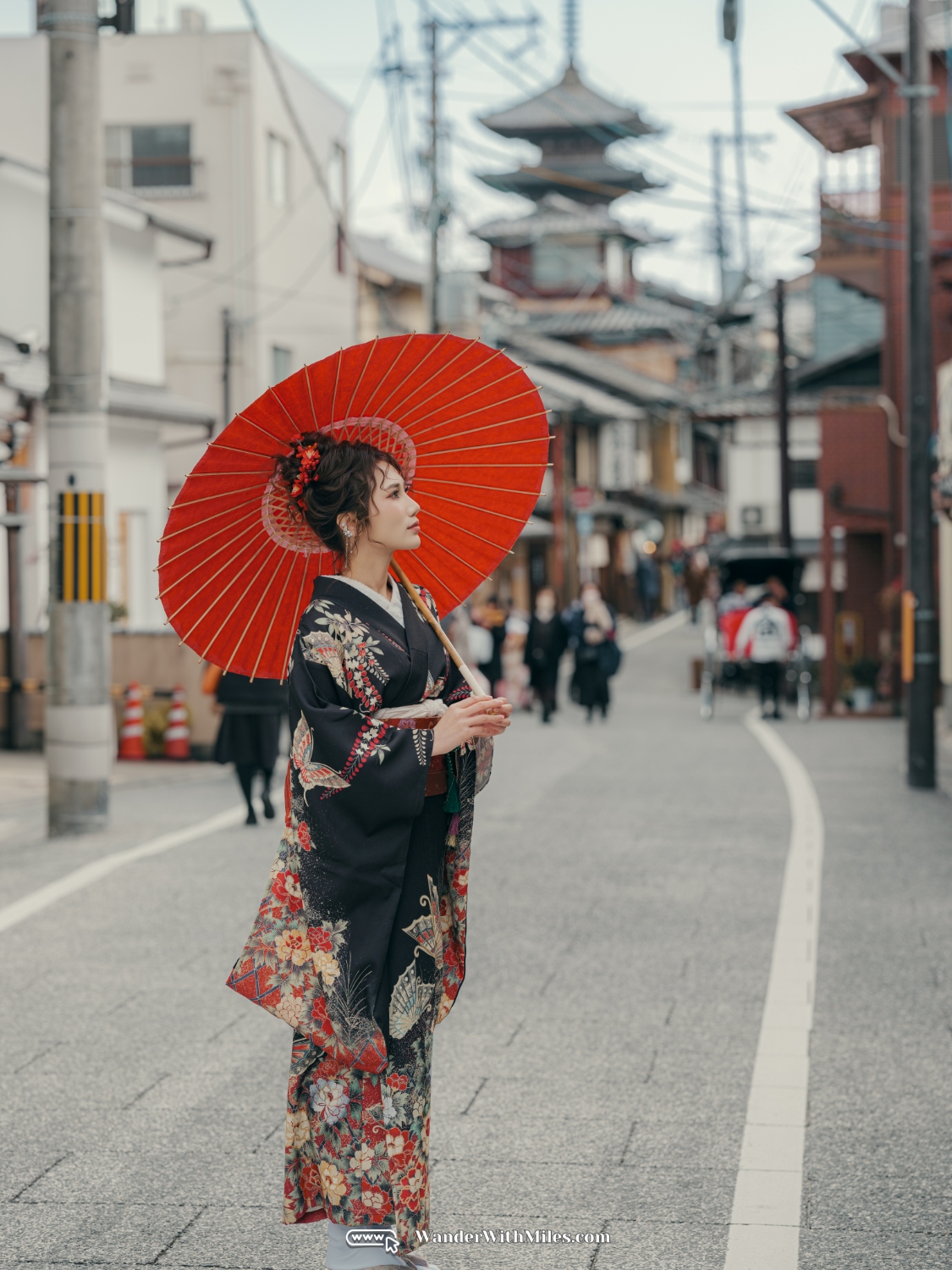
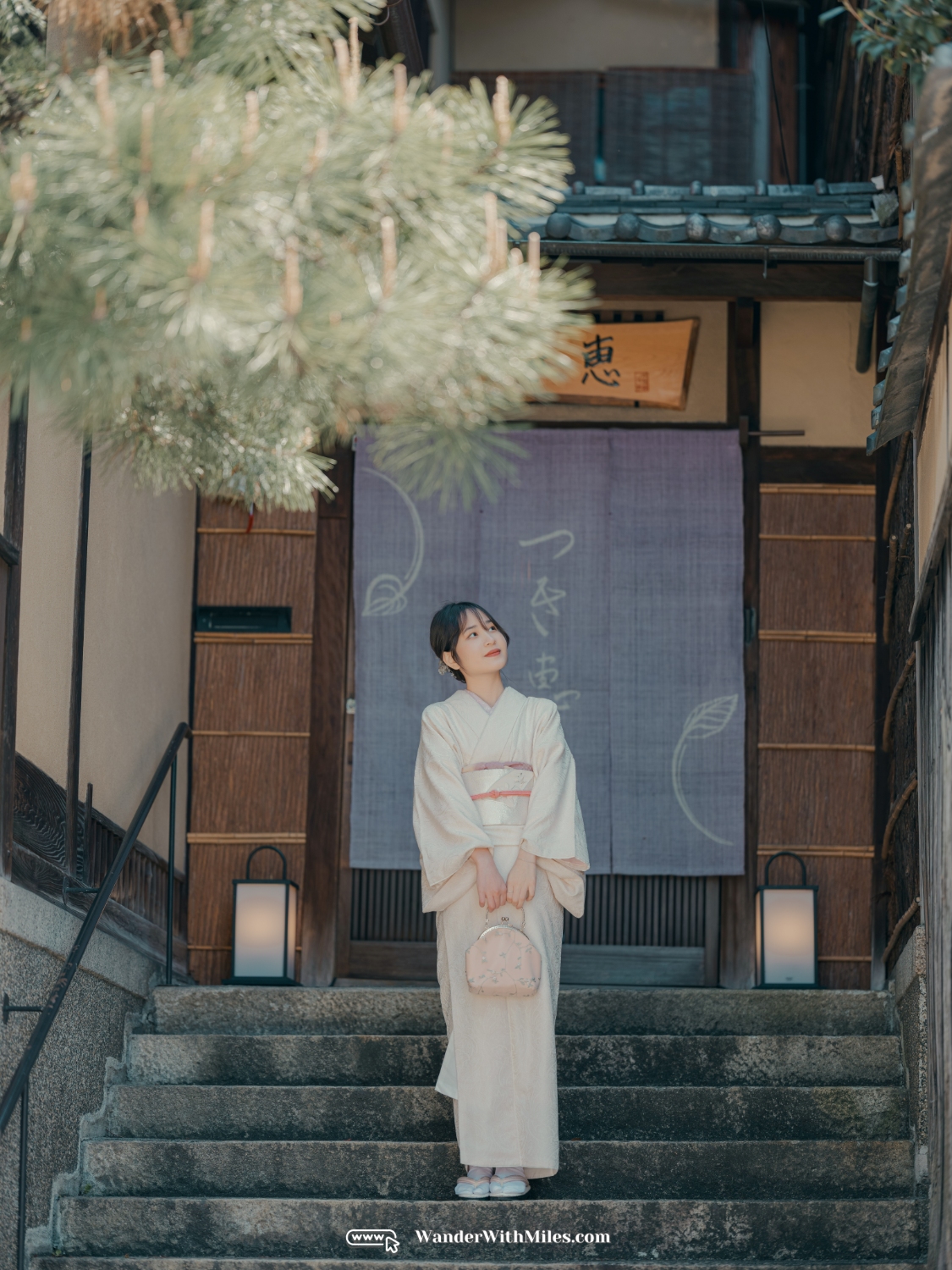
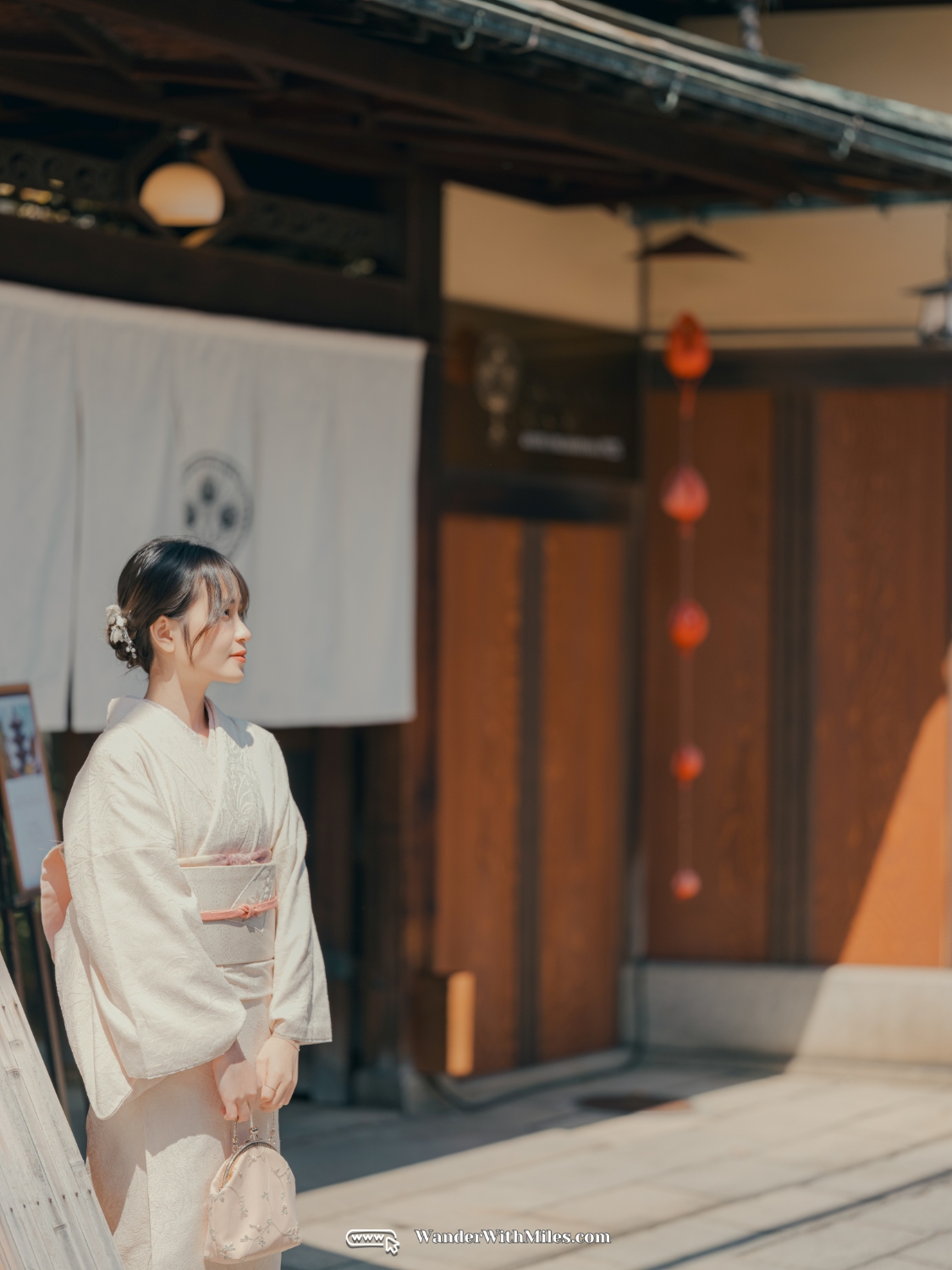
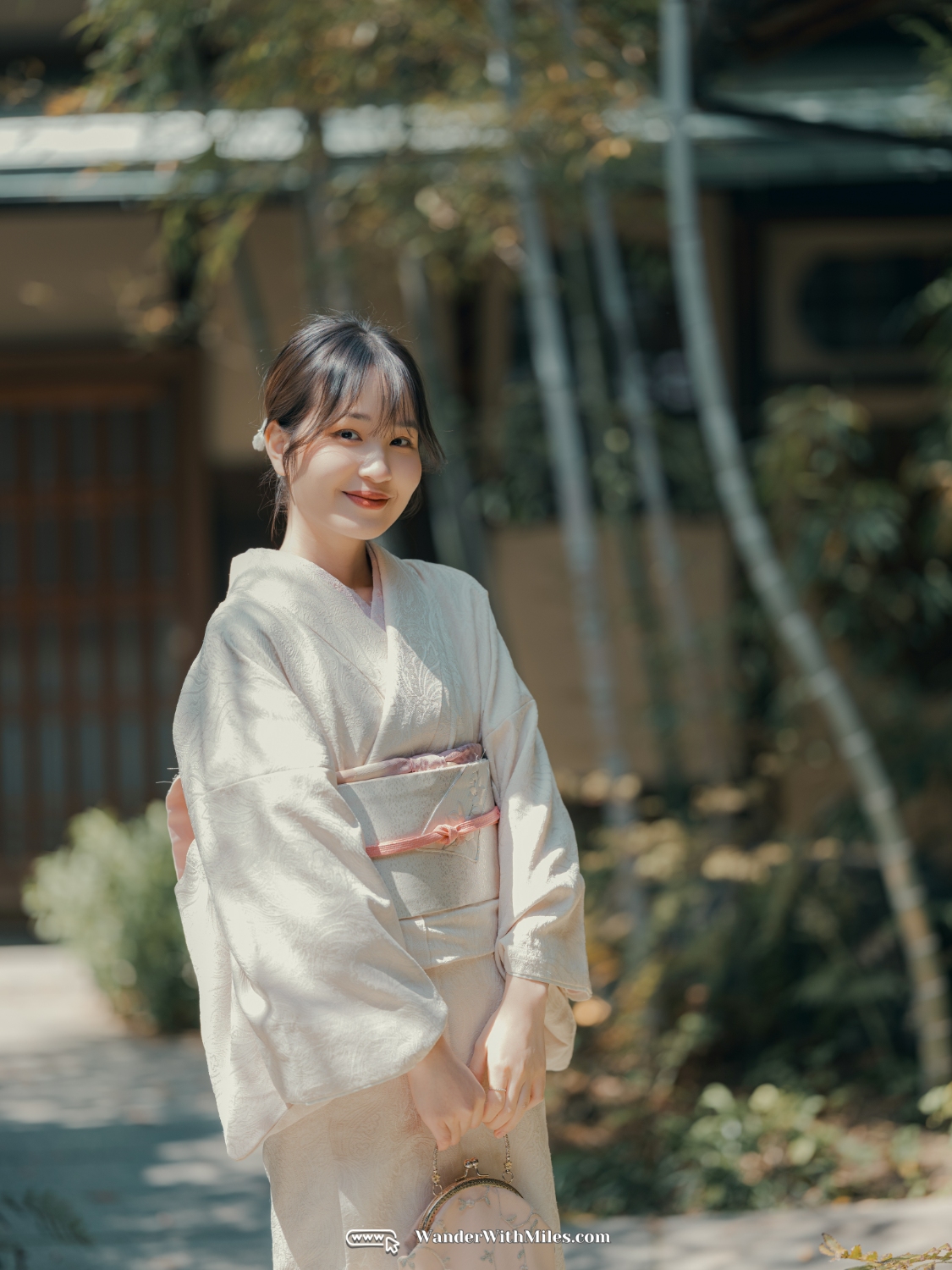
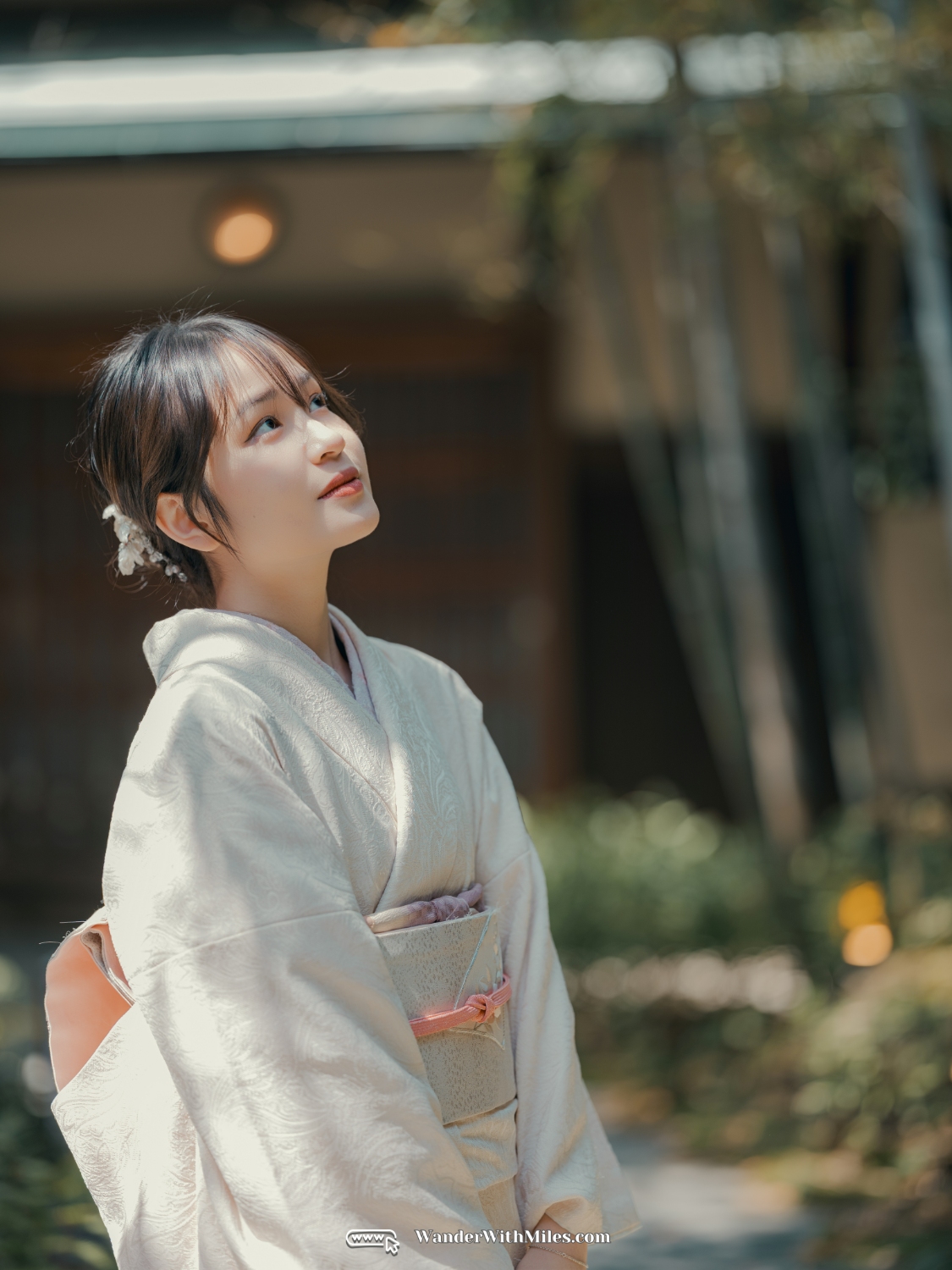
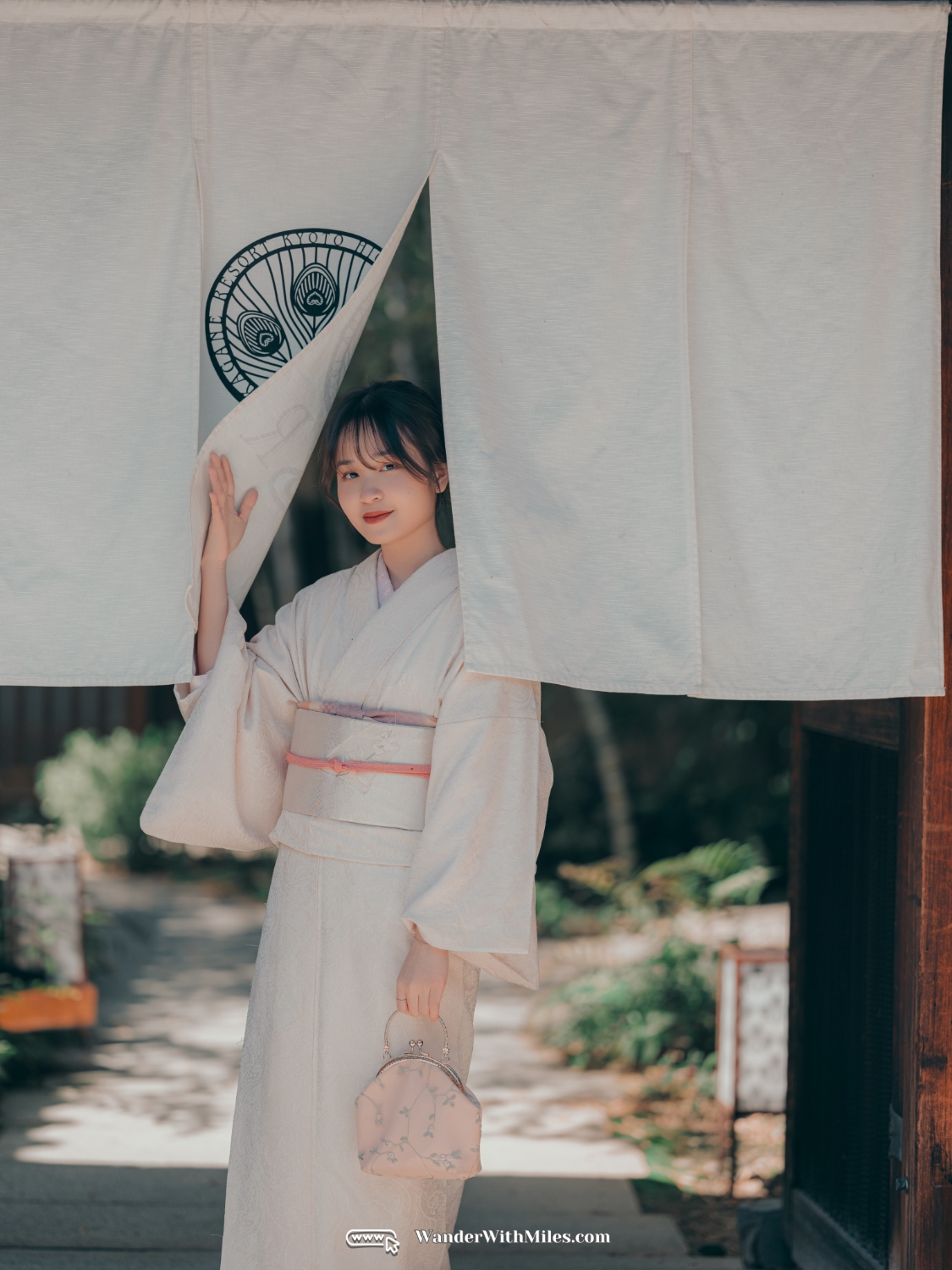
Shimokawara-cho is a street that runs parallel to Nene-no-michi, connecting the iconic Hokan-ji Pagoda and Yasaka Shrine. Like other historic streets in the area, it’s lined with traditional-style restaurants and inns that reflect the architectural charm of Kyoto.
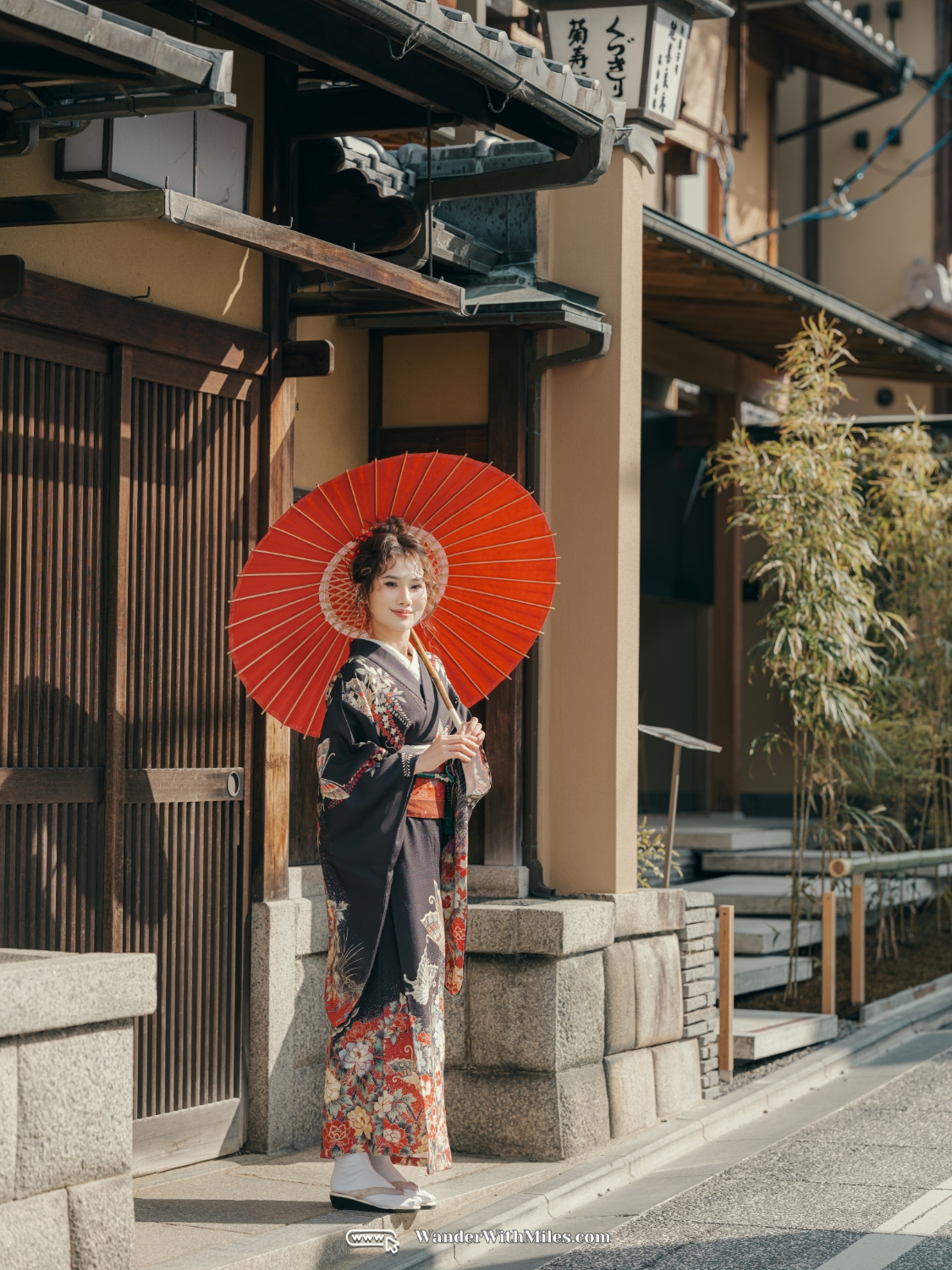
It’s easy to walk between these streets and take photos in a peaceful atmosphere, with hardly anyone unintentionally stepping into your frame.
6. Kamo River Bank
Address: Google Map
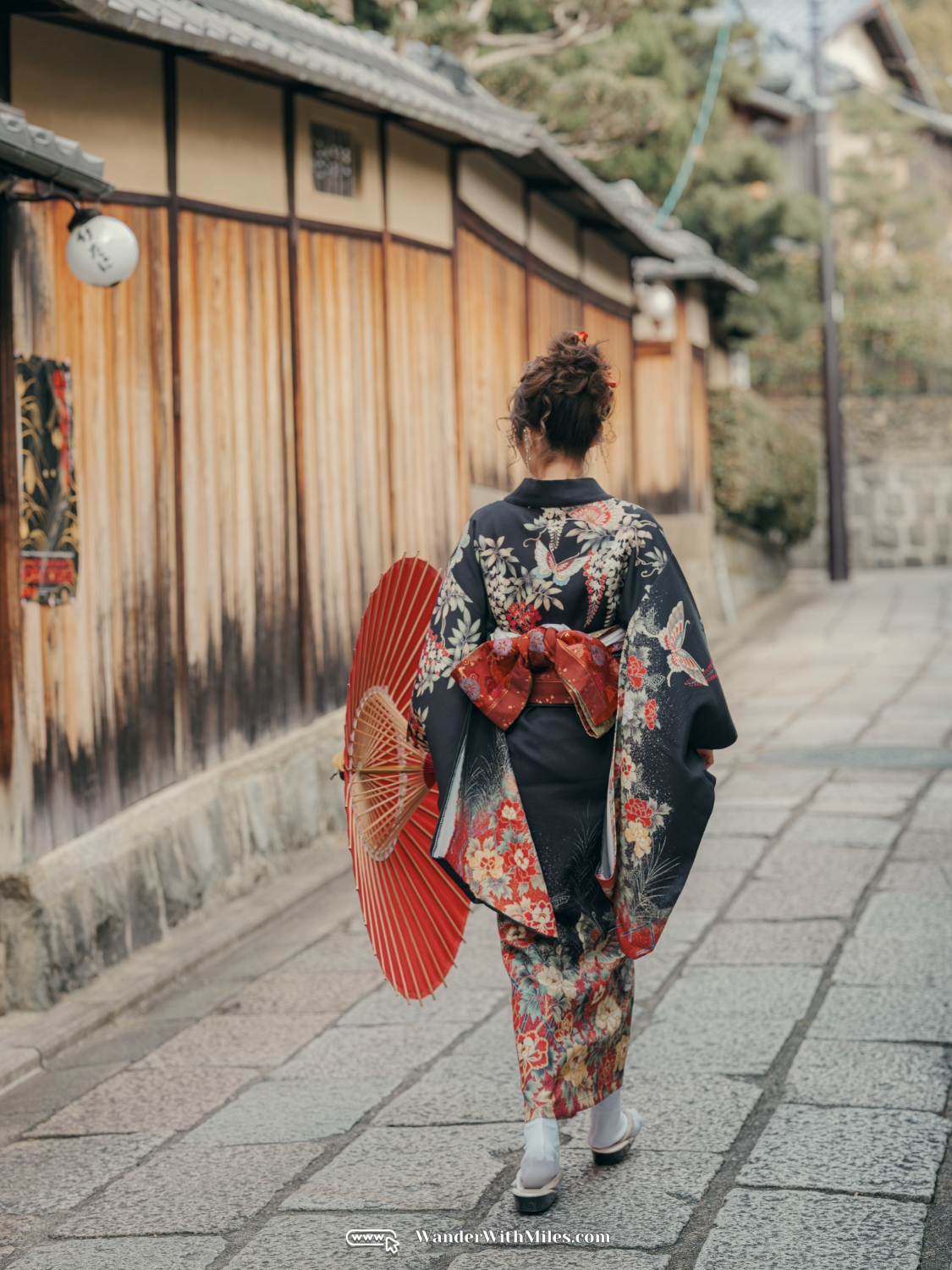
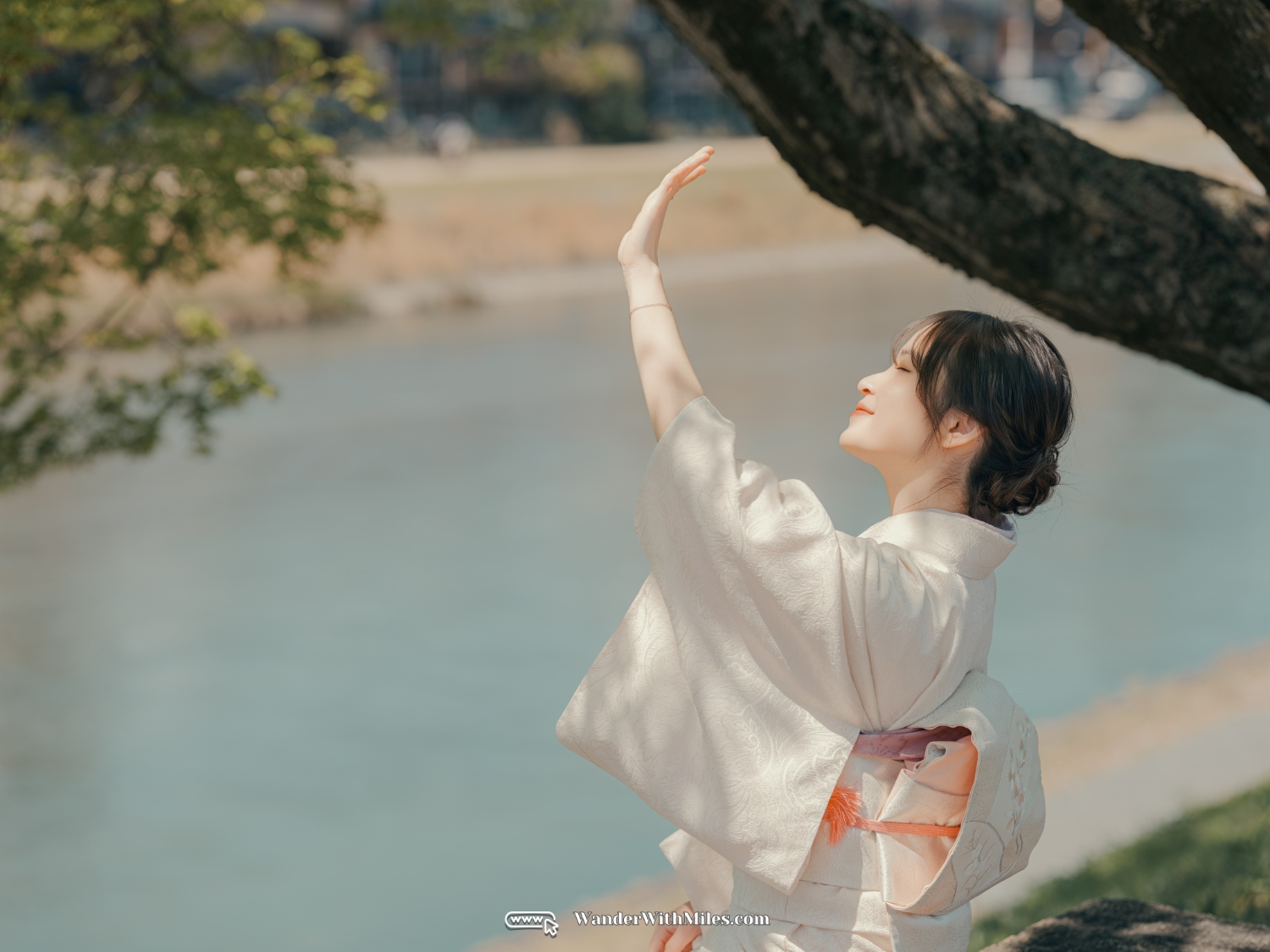
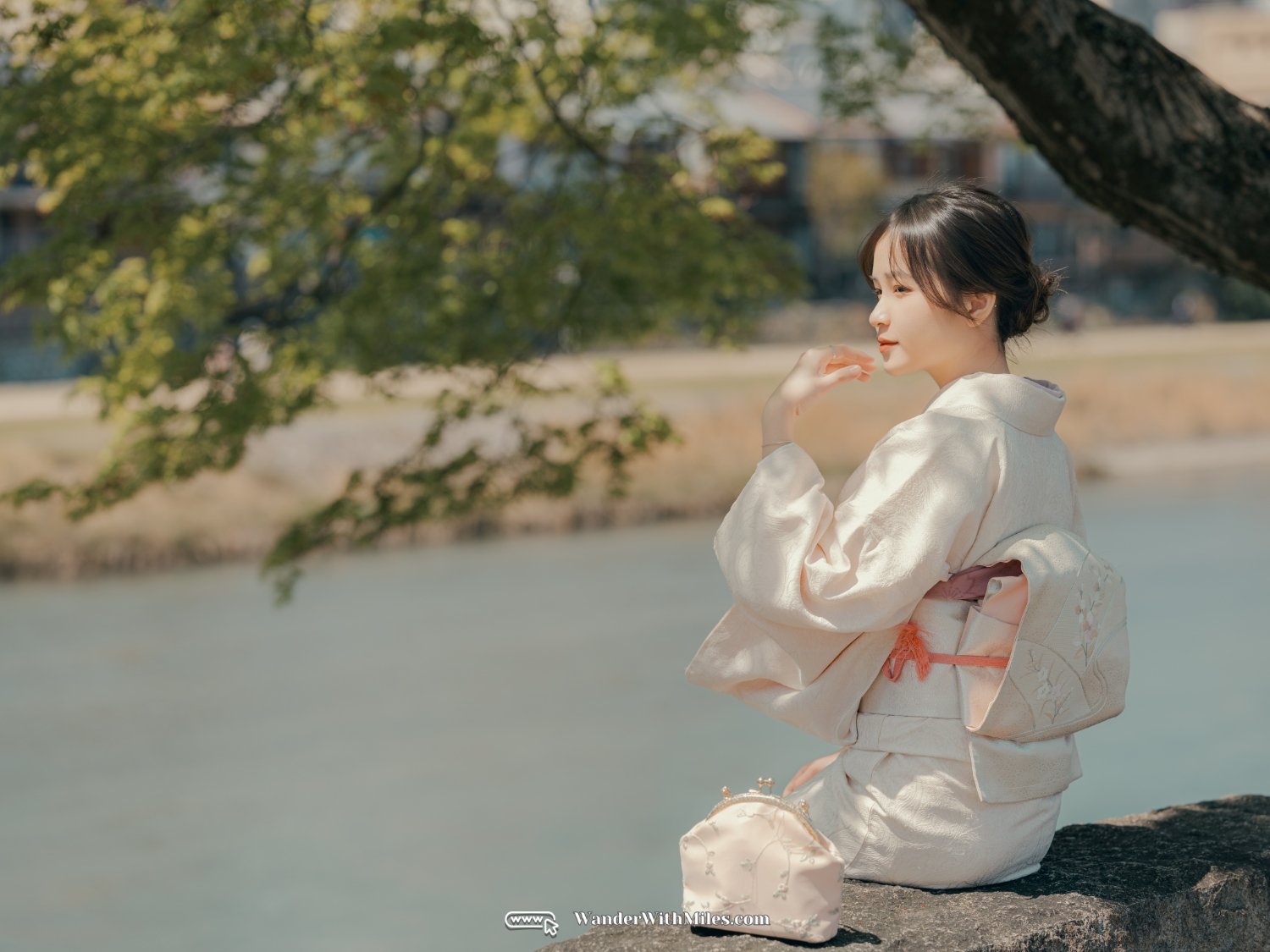
Kamo River, also known as Kamogawa, has long been a cultural symbol of Kyoto. It’s a place where both locals and visitors come to relax—whether by strolling along its banks, enjoying the views, or simply soaking in the fresh air.
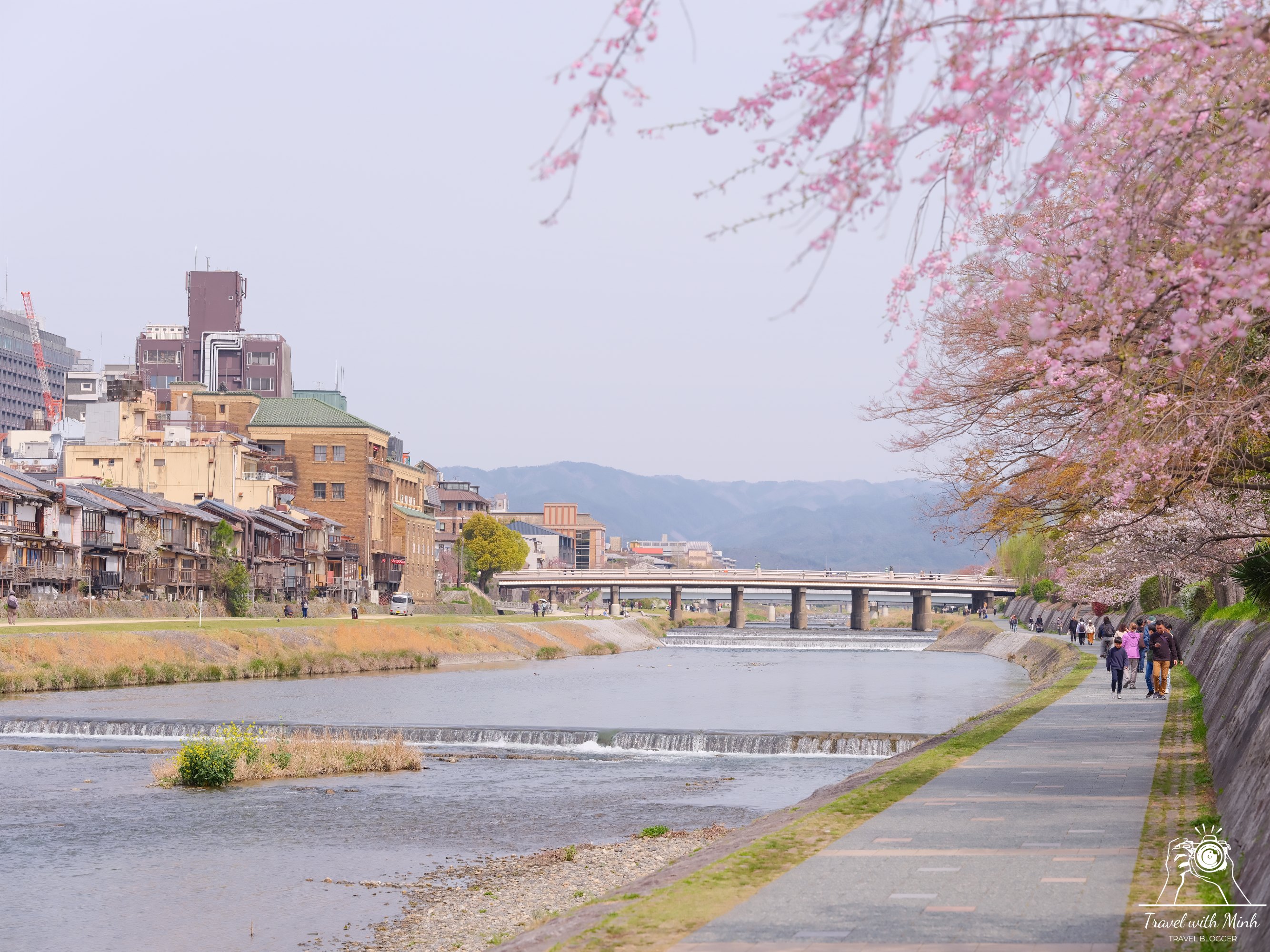
Surrounding the Kamo River are historic streets that reflect the essence of Kyoto—preserving traditional beauty while blending seamlessly with modern life. Among them, Pontocho Street stands out as a narrow alley running alongside the river, renowned for its traditional restaurants, eateries, and teahouses.
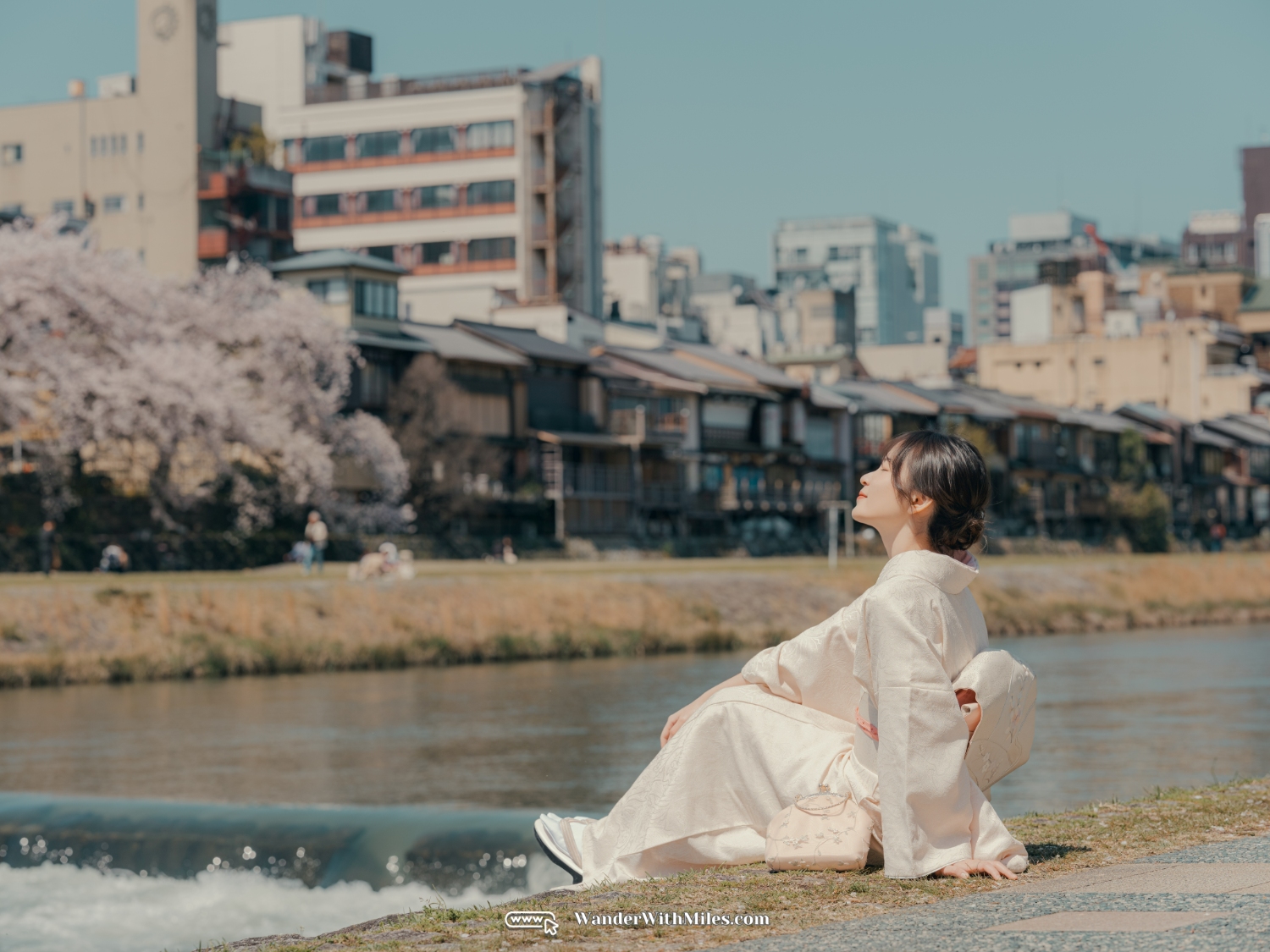
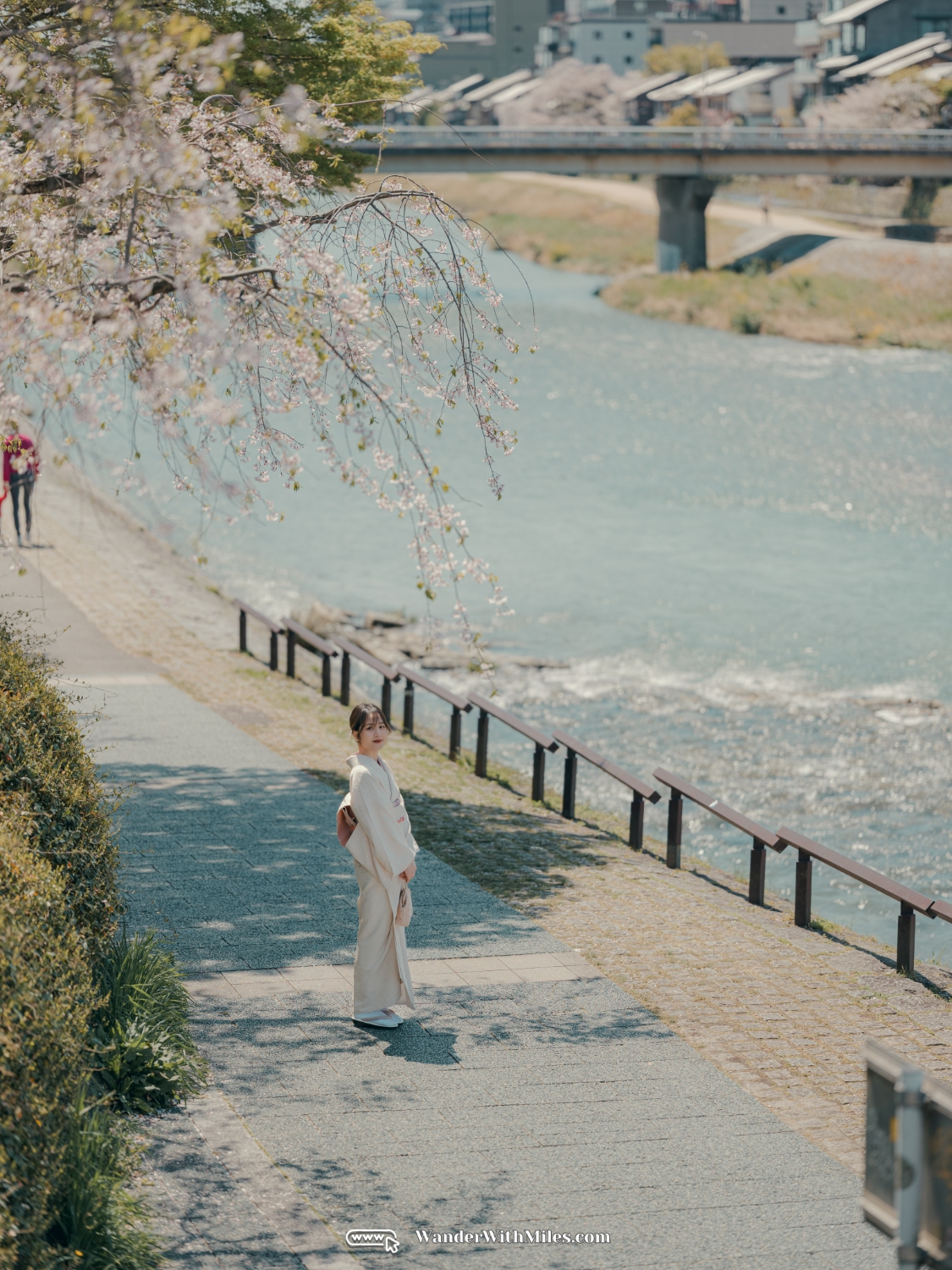
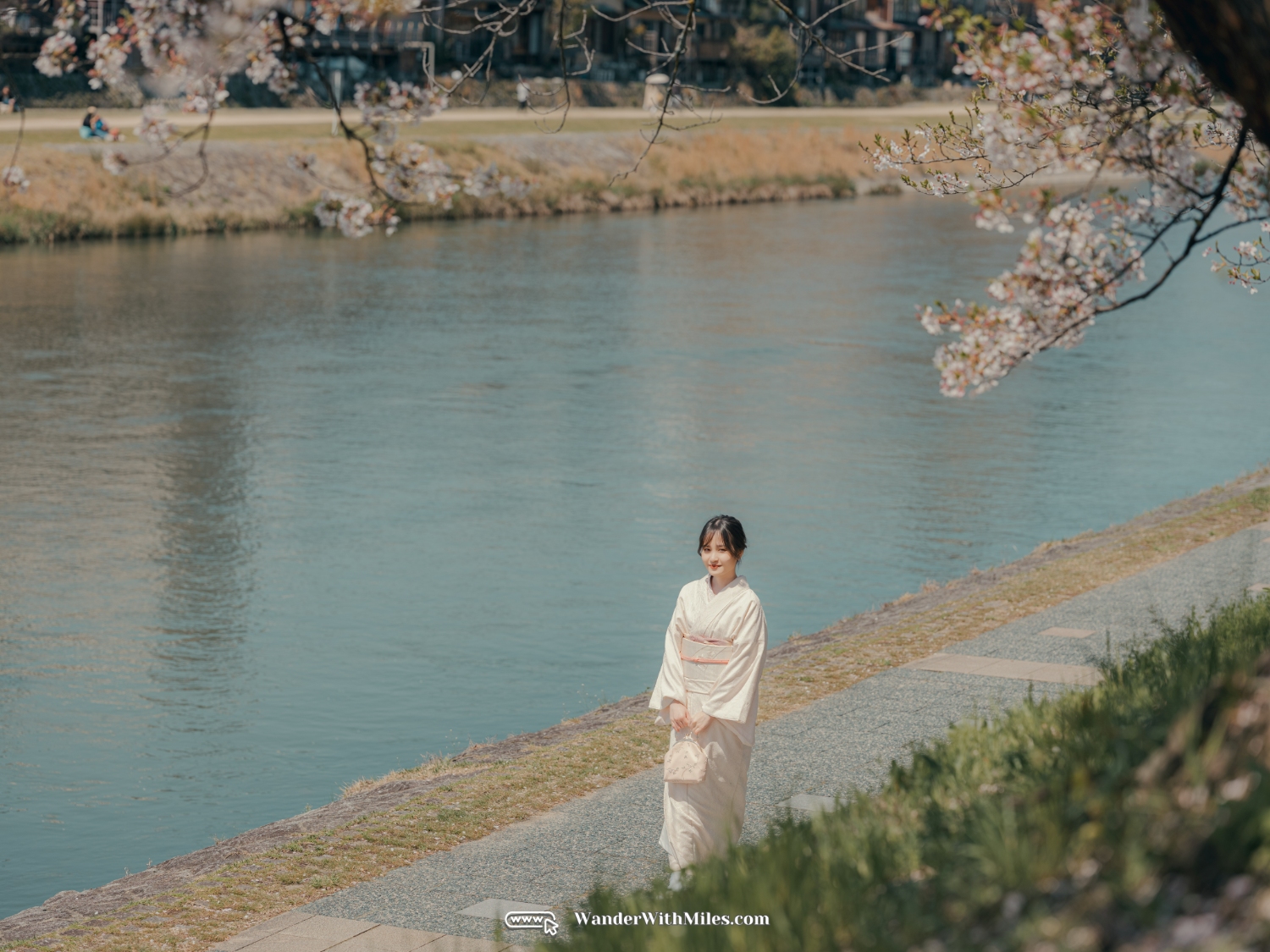
This riverside path becomes even more vibrant in April each year, when the cherry blossoms lining the river begin to bloom in full.
7. Seseragi-no-michi
Address: Google Map
Seseragi-no-michi, which translates to “the murmuring stream path,” is a charming walking trail located just across from the Kamo River. This quiet street runs alongside a clear canal, flanked by lush greenery and traditional wooden houses that evoke the timeless beauty of old Kyoto.
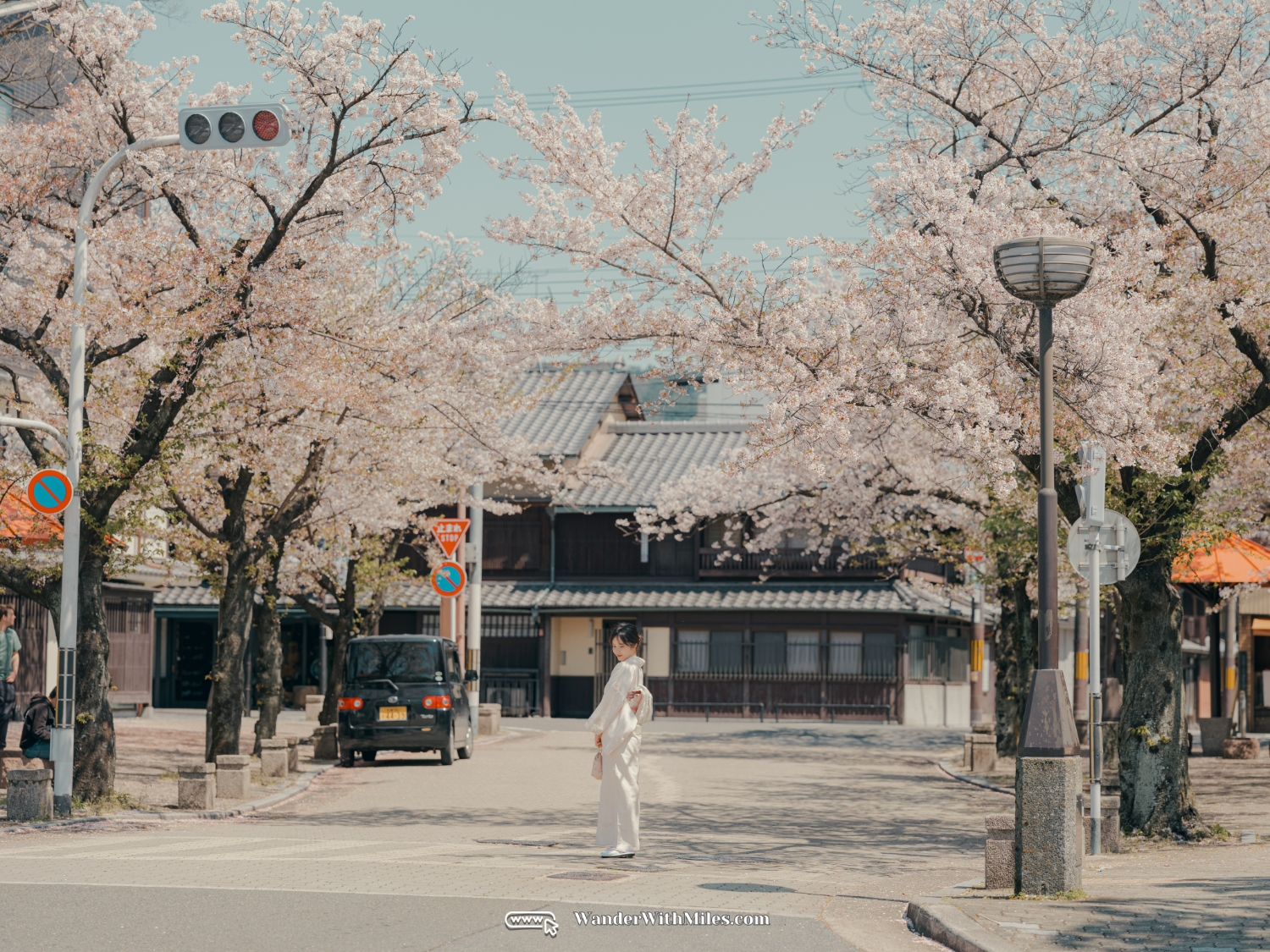
True to its name, the gentle sound of flowing water along the canal gives this path a peaceful ambiance—offering a stark contrast to the hustle and bustle of Kyoto’s popular tourist areas like Gion and Ninen-zaka.
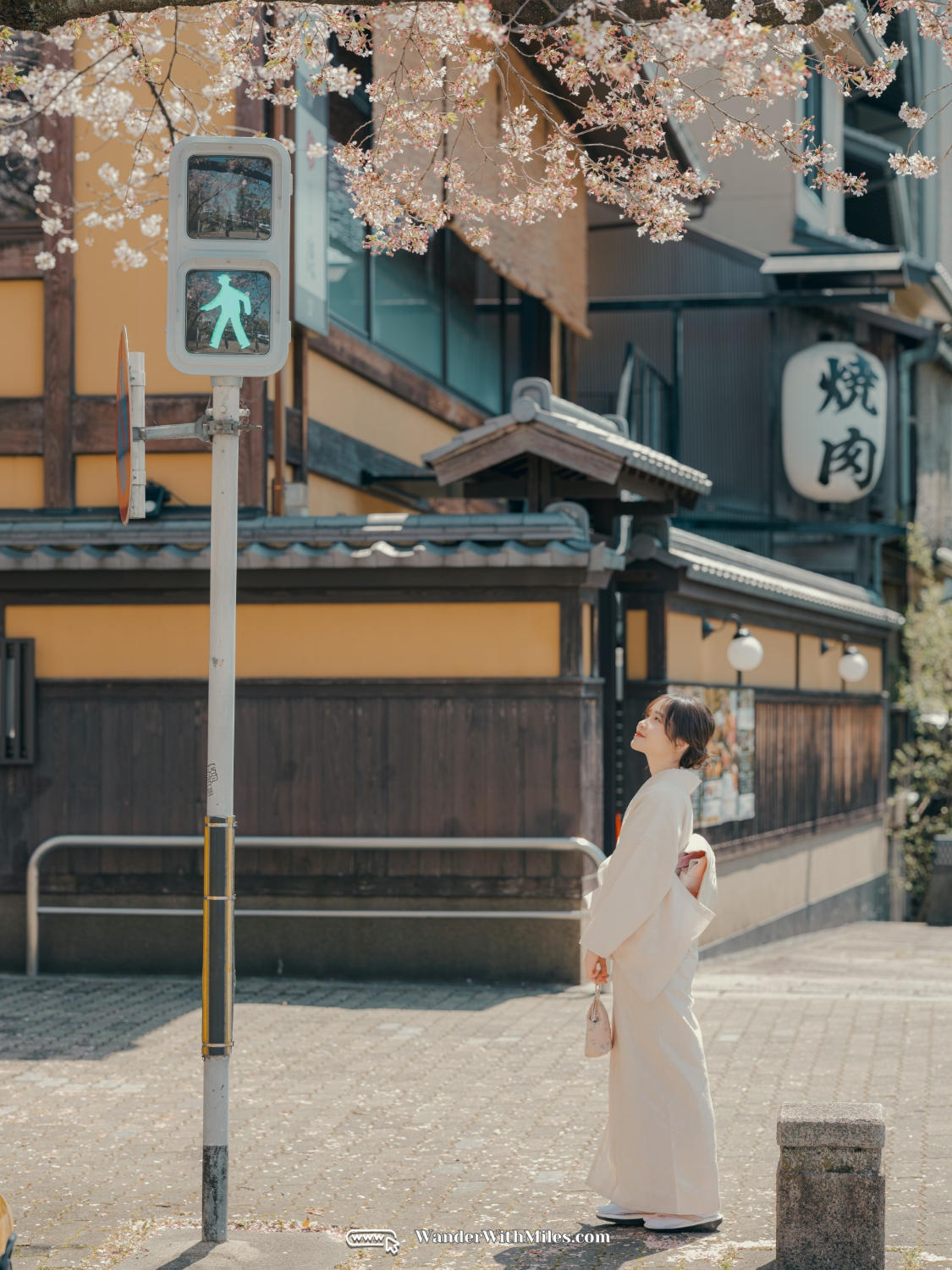
As you walk down Seseragi-no-michi, you’ll experience a very different side of Kyoto—quiet, calm, and deeply serene. In spring, cherry blossoms bloom along the path, creating a dreamy atmosphere, while in autumn, the trail glows with the rich reds and yellows of maple leaves. It’s a perfect spot for a walk, a kimono photoshoot, or just enjoying a peaceful moment away from the crowds.
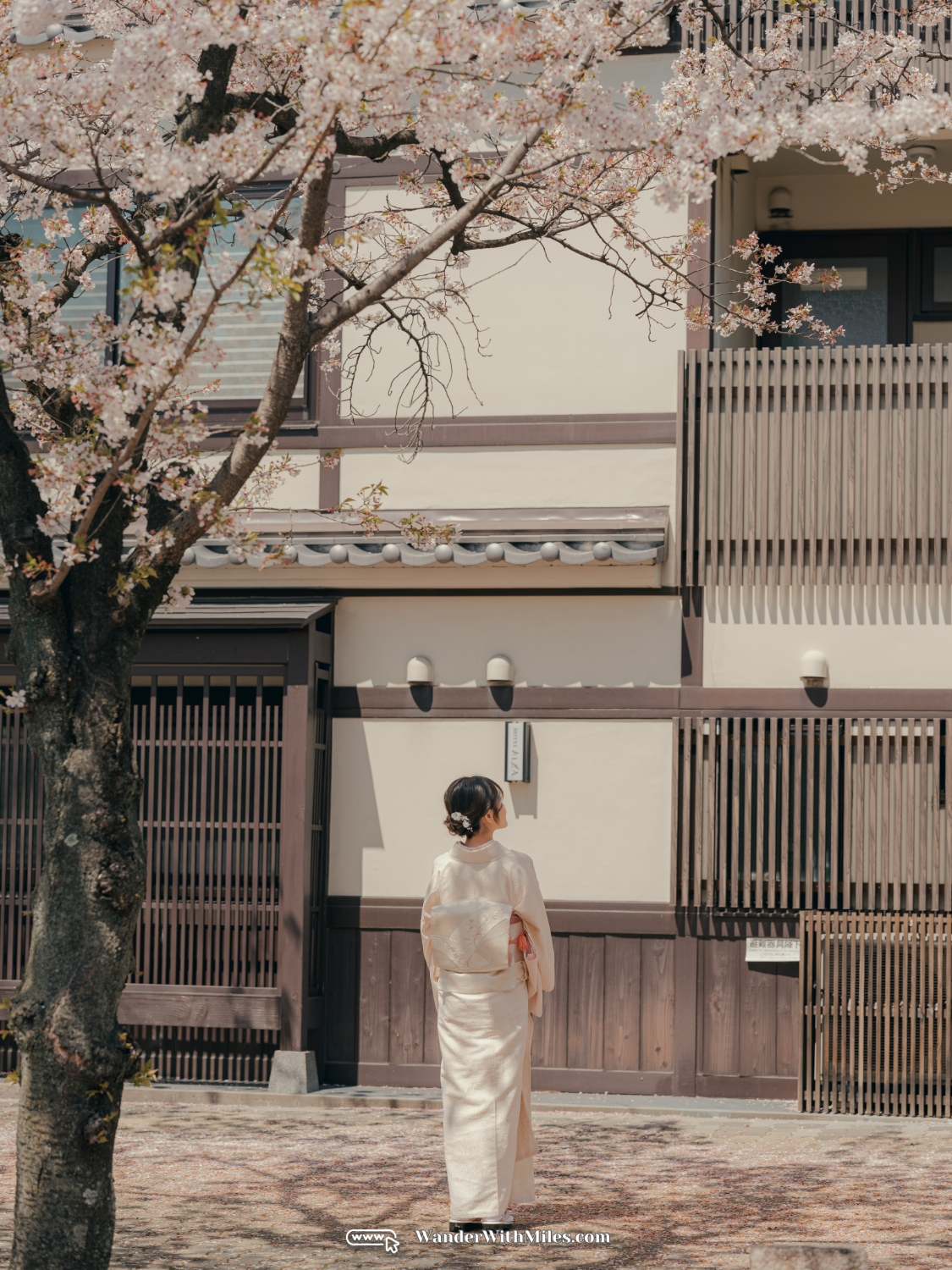
Though not widely known on tourist maps, Seseragi-no-michi is truly a hidden gem of Kyoto —a place where you can discover the rustic charm of the old capital and capture photos that reflect the essence of traditional Japan.
8. Gion-Shirakawa
Address: Google Map
Gion-Shirakawa is probably one of the most recognizable places in Kyoto, especially since it has been featured in many well-known Japanese films—most famously in" The Makanai: Cooking for the Maiko House ".
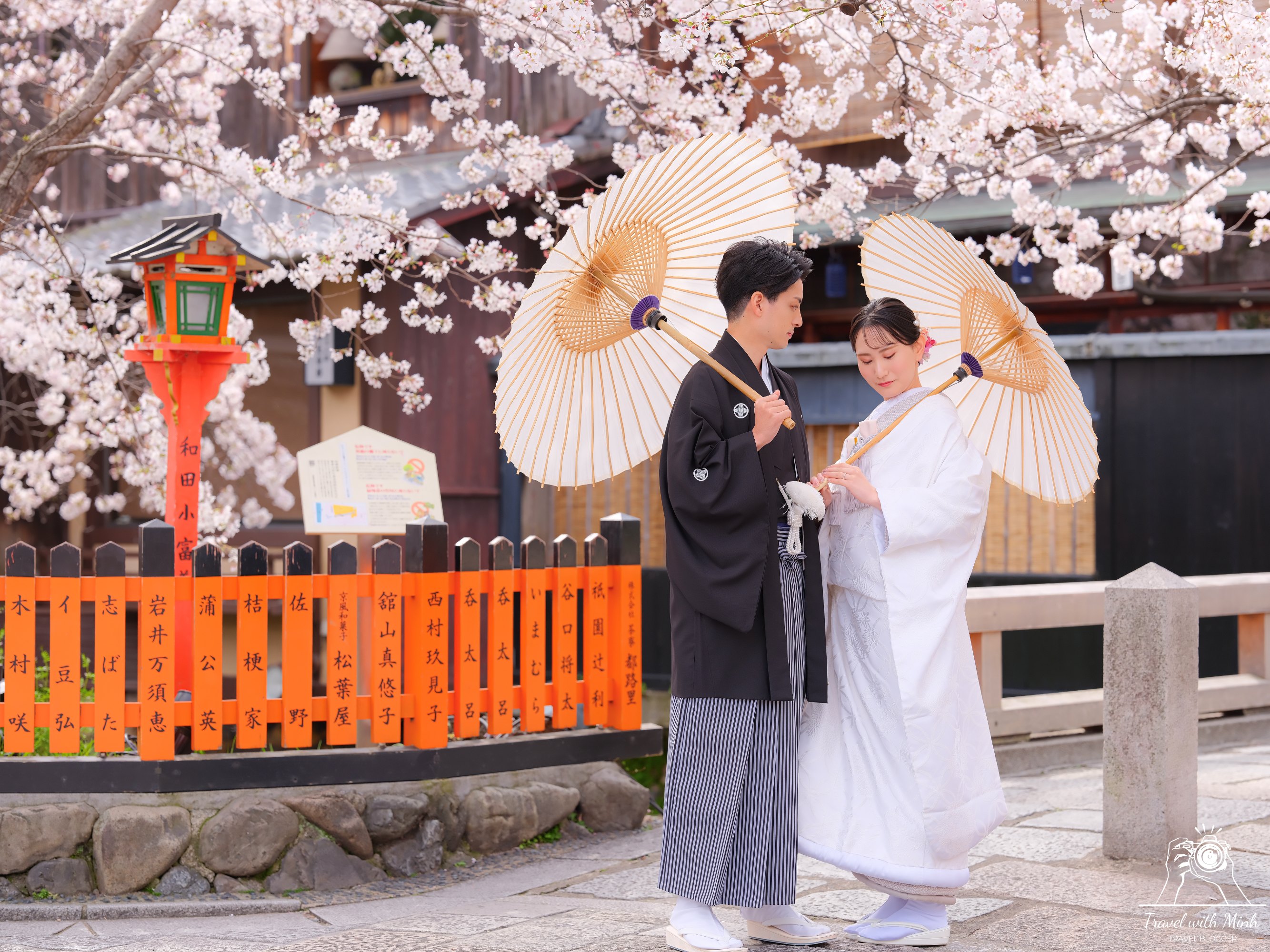
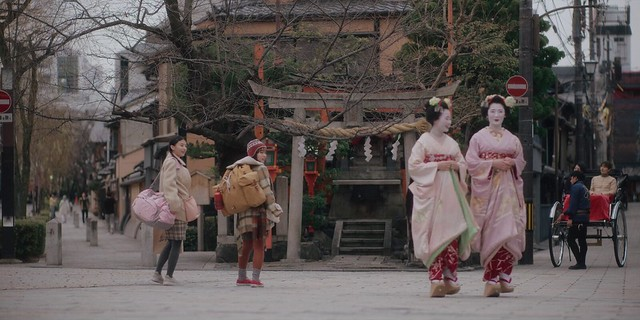
It might be a tourist hotspot and usually pretty crowded, but I still wanted to include this street—because honestly, it’s one of the best places to take kimono photos in Kyoto.
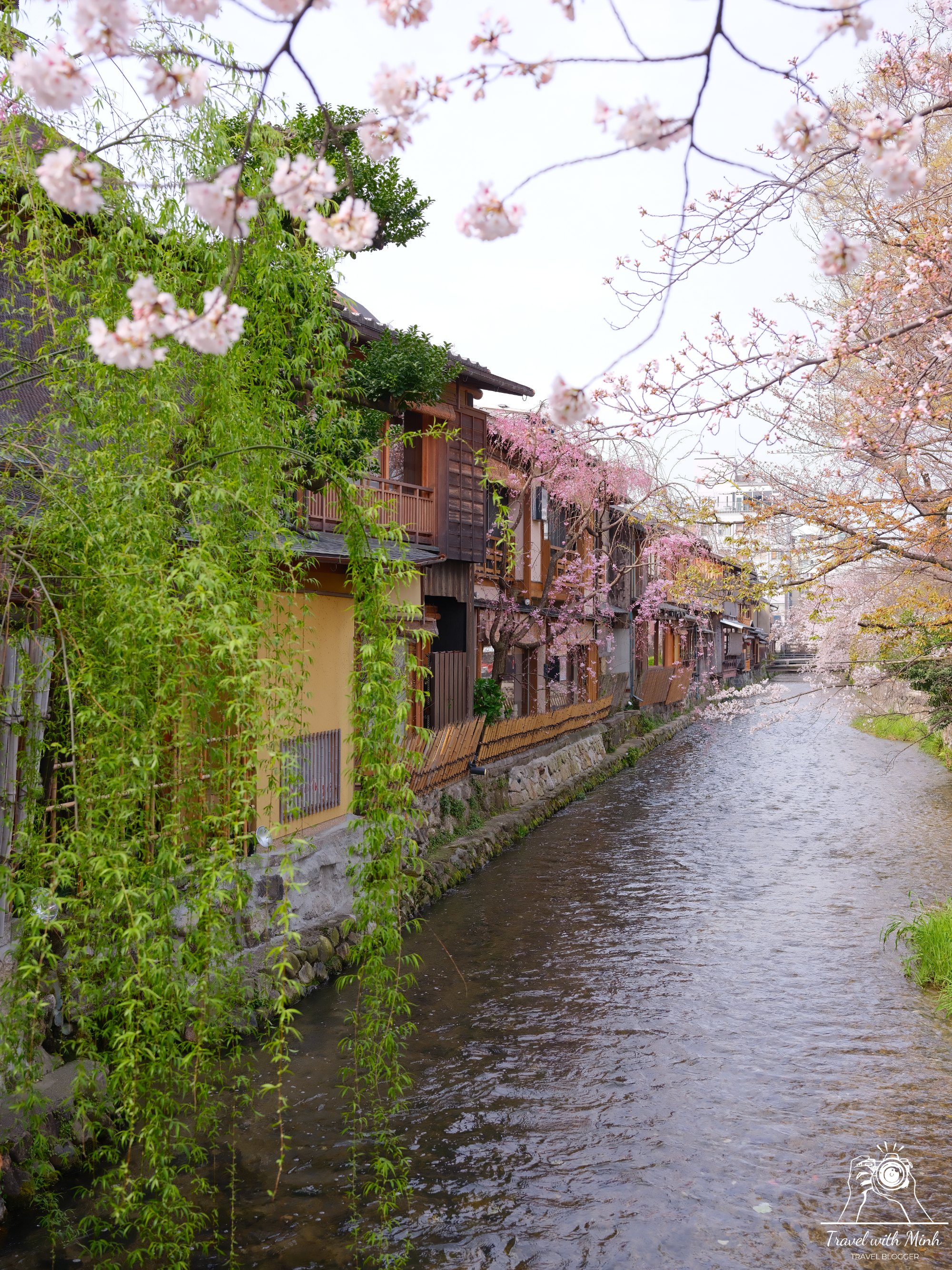
See more of my article “Places to see cherry blossoms in Kyoto” here: Places to see cherry blossoms in Kyoto – Travel with Minh
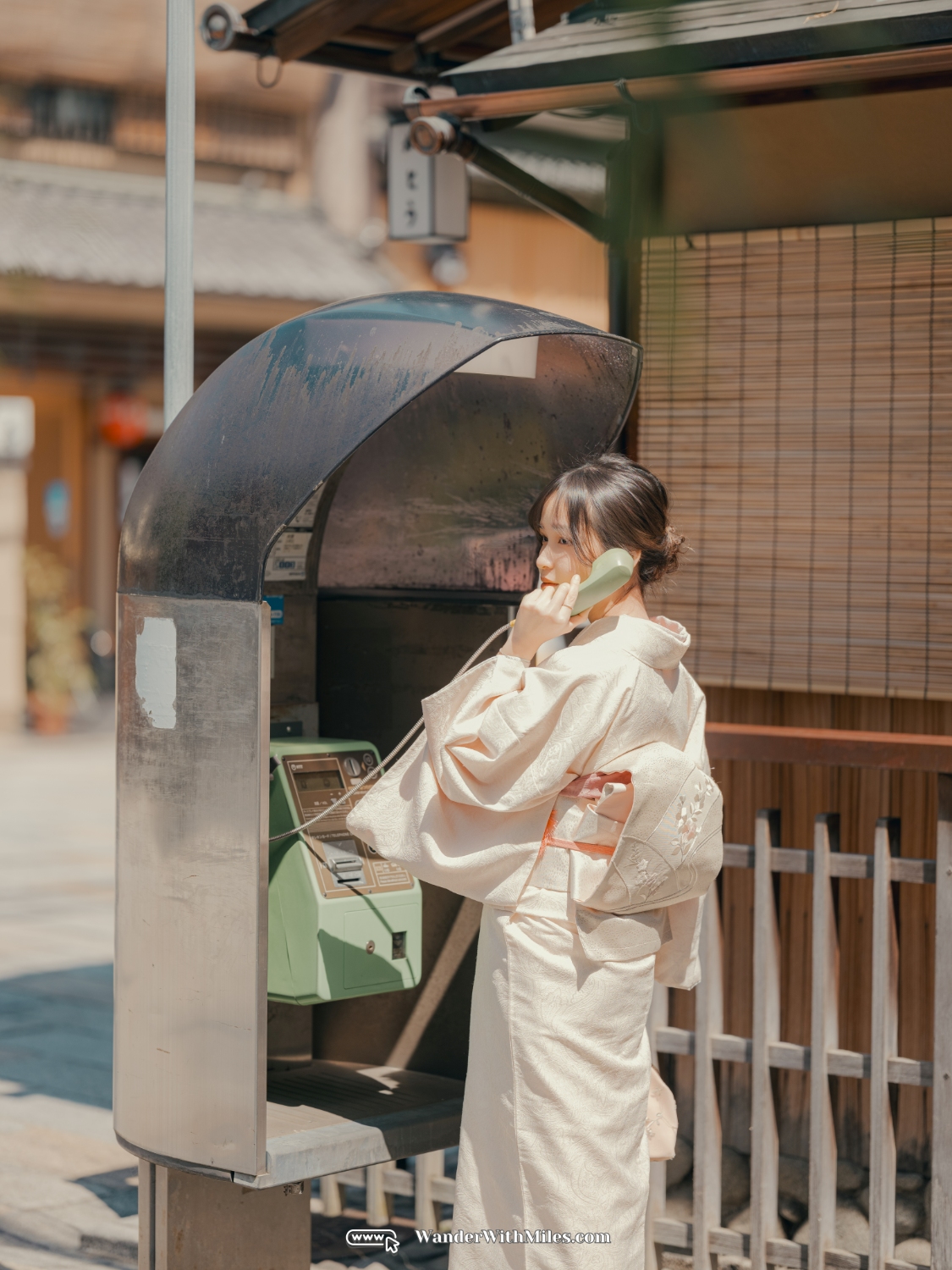
9. Nanzen-ji
Address: Google Map
Nanzen-ji is a Rinzai Zen Buddhist temple located in eastern Kyoto, just around 3 kilometers from Kiyomizu-dera. Founded in 1291 by Emperor Kameyama, it is considered one of the most important Zen temples in Japan—often referred to as the top Zen temple in the country.
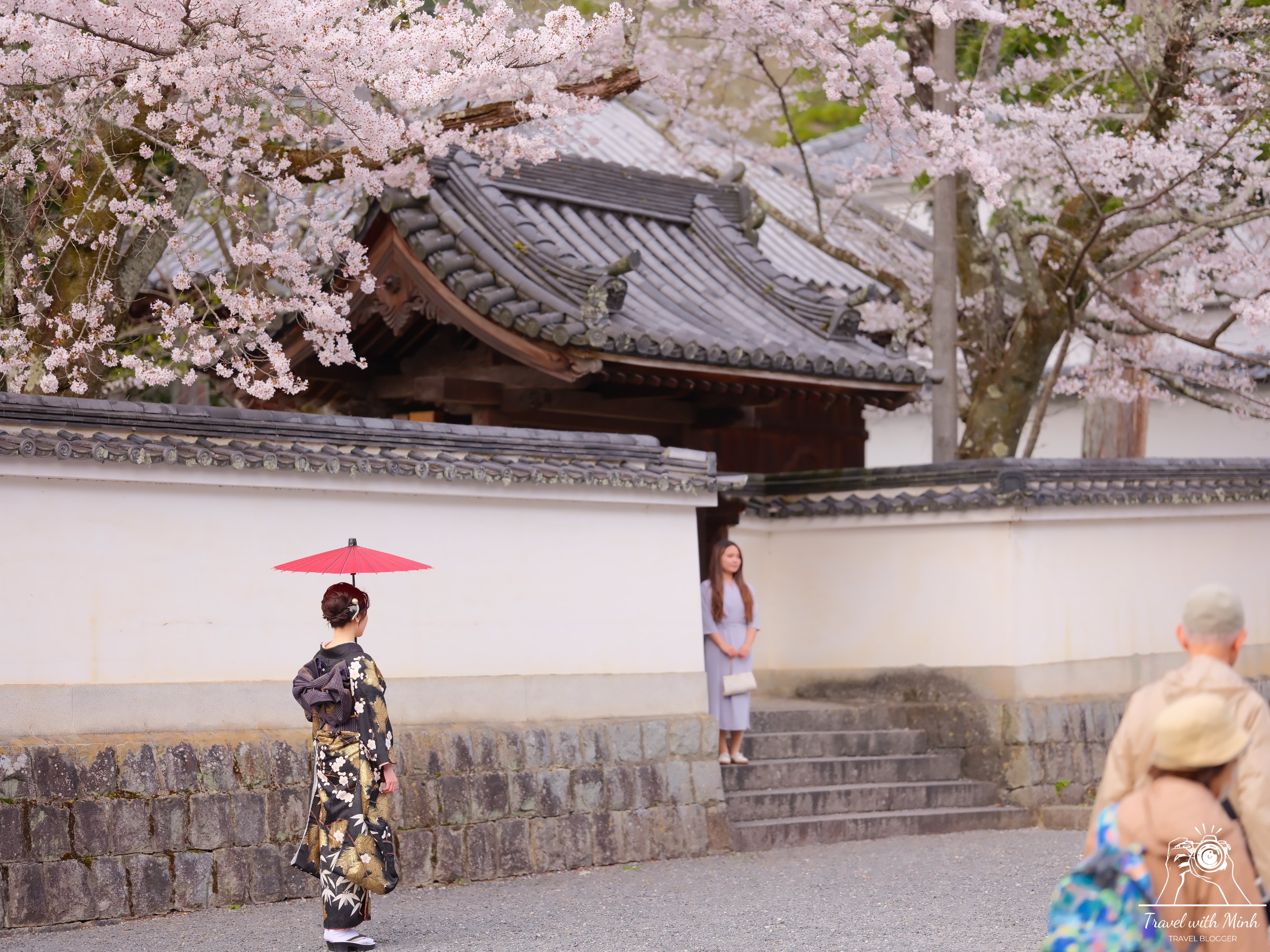
Nanzen-ji features a vast temple complex where architecture, nature, and traditional art blend seamlessly—making it one of Kyoto’s top destinations for spiritual reflection, cultural exploration, and photography.
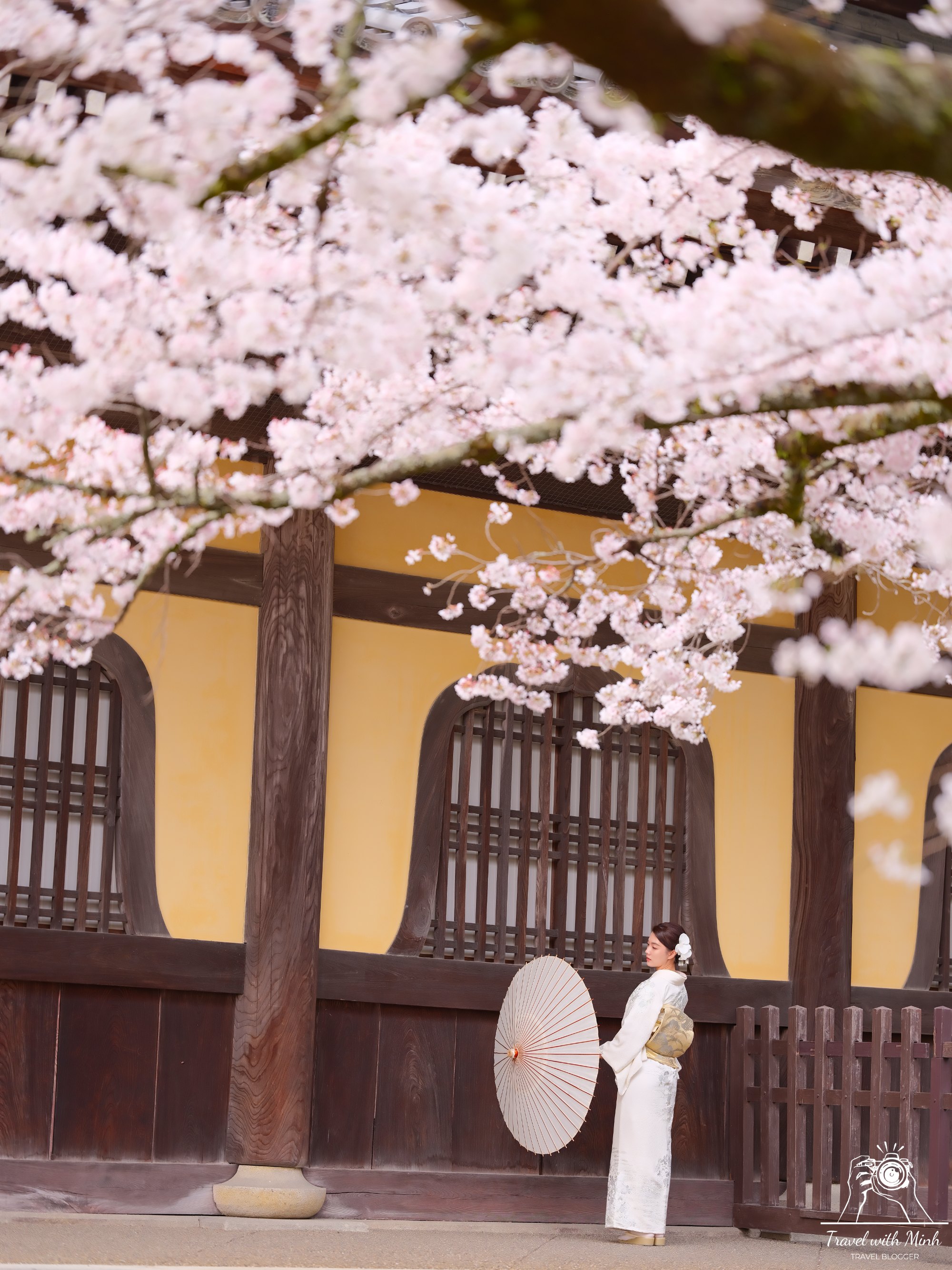
Each season brings something special to Nanzen-ji: cherry blossoms in spring, vibrant green momiji leaves in summer, brilliant red foliage in autumn, and a peaceful, snowy stillness in winter. It’s beautiful all year round.
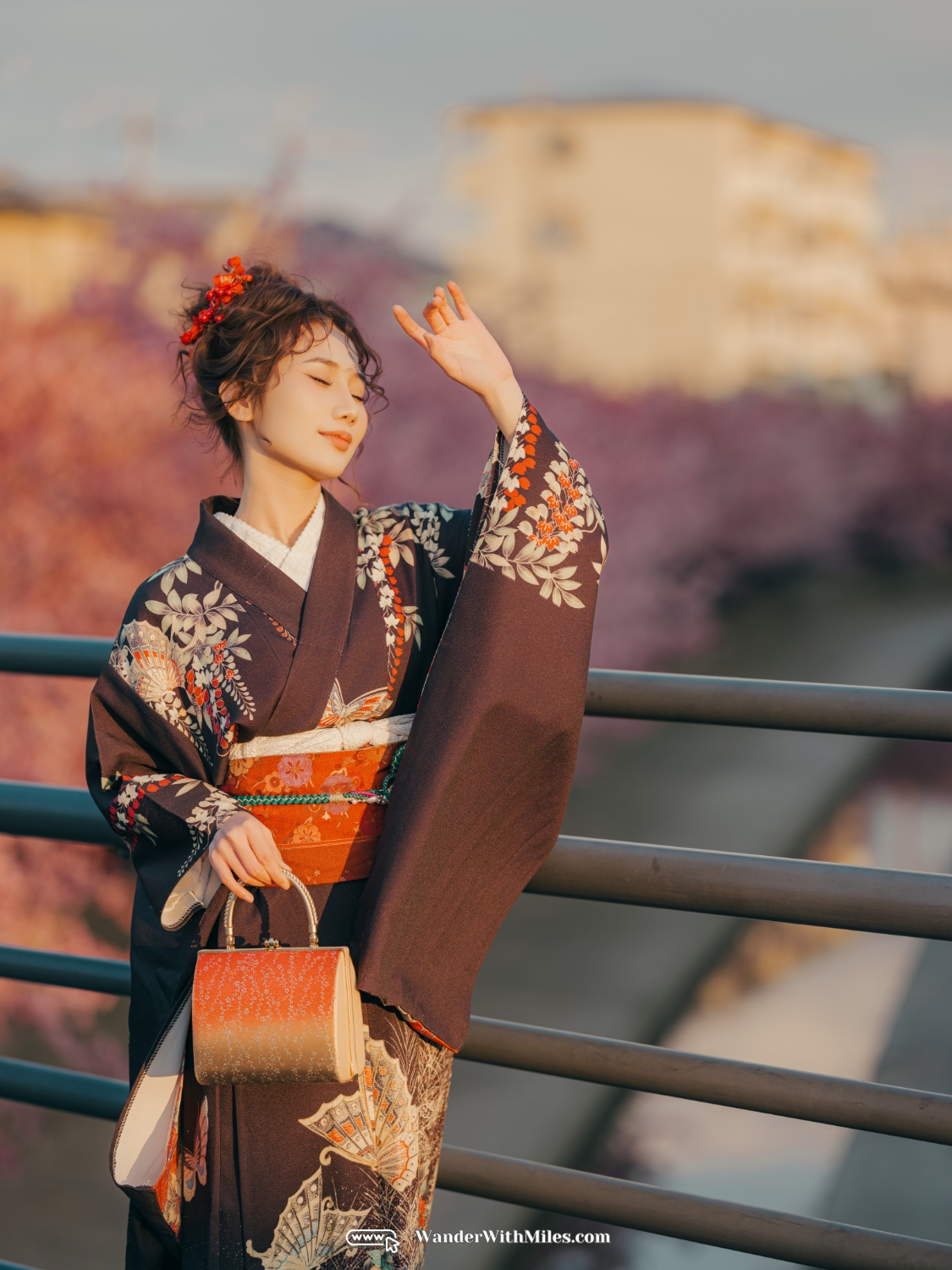
These are my favorite kimono photo spots in Kyoto—places I’ve come to love through years of photography in the city. I hope this list makes it easier for you to find that perfect setting for your own kimono shoot!
If you find this article useful, don't forget to share it with those who need it. Thank you for reading to the end of the article.
Don't forget to follow me on Instagram ( minhh.adventure ) or subscribe to receive notifications whenever I post something new!
***************************************************************************************************************
*** Please read carefully the Copyright & Collaboration requirements before copying or quoting the content and images of the Blog. Thank you.

Does this journey excite you?
If you found this blog article helpful, a cup of coffee from you would be a great boost for my next adventures.
Buy me a coffee
nice article ,even this article was suggested by chapgpt
Thank you, mate